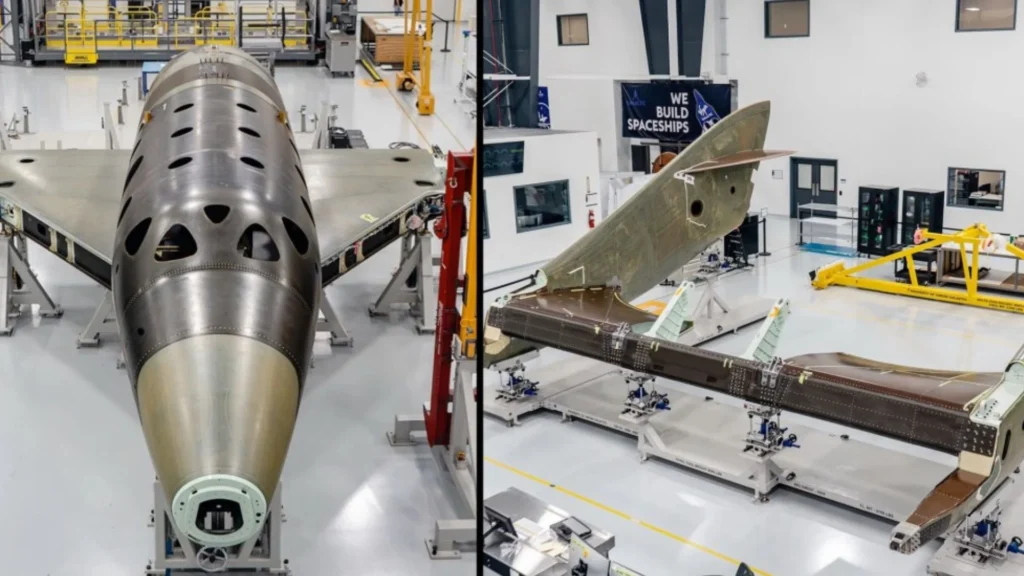
Hypersonix Launch Systems, a Brisbane-based aerospace startup founded by former NASA scientist Dr Michael Smart, has completed vibration testing of its DART AE hypersonic technology demonstrator, confirming that the fully 3D-printed, hydrogen-fueled vehicle can withstand the mechanical stresses of Mach 7 flight. The milestone moves Australia closer to launching the world’s first sustained hypersonic flight powered by green hydrogen.
Here is the problem no one has quite solved since the X-43A screamed across the Pacific at Mach 9.6 in 2004: hypersonic flight is brutally hard, scramjets are finicky, and most test vehicles fly once, briefly, before vanishing into the ocean. The engineering community has spent two decades chasing sustained, controllable, affordable hypersonic propulsion.
What the product actually does is provide a dedicated testbed for hydrogen-fueled scramjet technology. The DART AE—short for Additive Engineering—is a 3‑meter, 300‑kilogram autonomous vehicle built entirely from high-temperature alloys, powered by a single SPARTAN scramjet engine, and designed to reach Mach 7 over a 1,000‑kilometer range . Its entire airframe is printed, not machined. No bolts. No welds. Just Inconel 718, layer by layer, shaped into a vehicle that breathes air at seven times the speed of sound.
READ ALSO: https://modernmechanics24.com/post/legendary-stinger-missile-45-year/
The basic function for researchers and defense clients is finally having a repeatable, instrumented platform to test hypersonic technologies without commissioning a bespoke missile each time. The DART AE is intended to be boosted by Rocket Lab’s HASTE vehicle, separate at Mach 5, then ignite its scramjet and fly under its own power—collecting telemetry, validating thermal protection, and proving that hydrogen combustion can be sustained at extreme speeds .
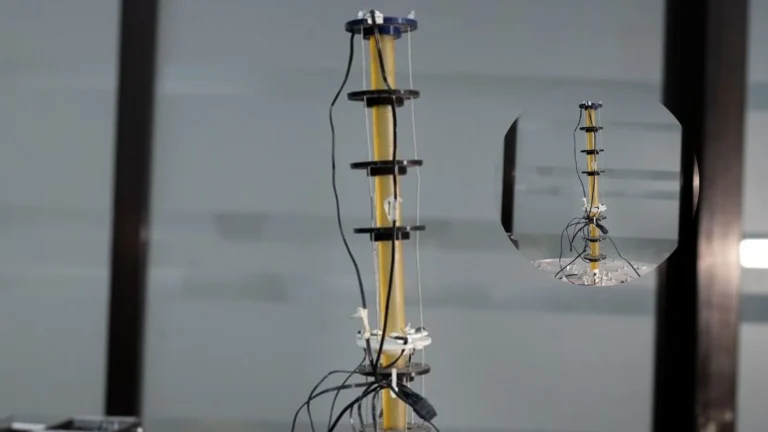
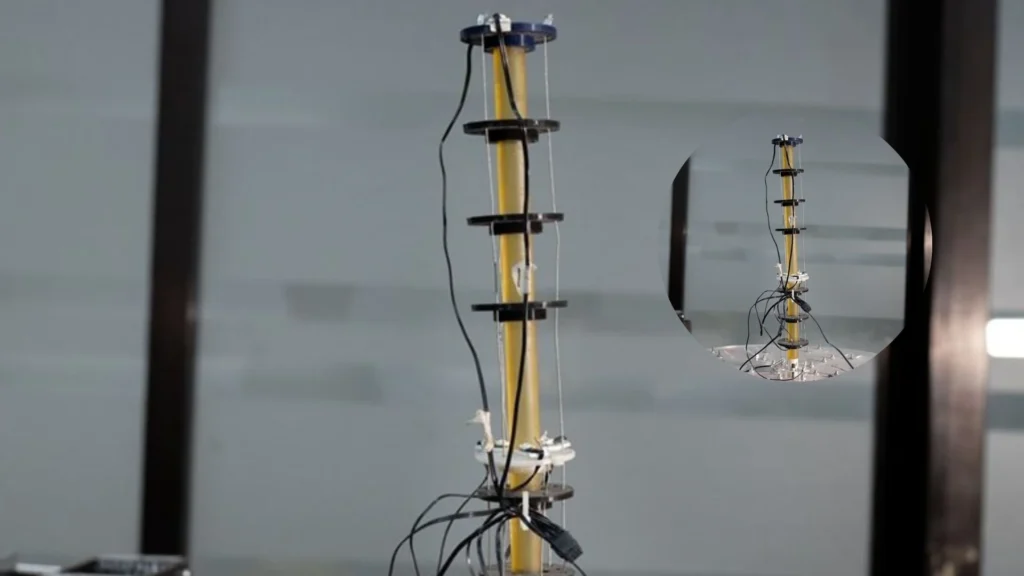
There is, of course, a limitation. The vibration tests completed in February 2026 are ground trials, not flight. They confirm the airframe will not shake apart under launch loads—but they do not confirm the engine will light, stay lit, or produce net thrust. Hypersonix has not yet announced a firm flight date, and the program has already slipped from earlier 2024 projections . The company acknowledges that the gap between laboratory validation and sustained hypersonic cruise has swallowed larger programs than this one. As Dr Michael Smart himself noted, the SPARTAN engine is “a breakthrough in reusable hypersonic flight,” but breakthroughs must still survive the atmosphere .
WATCH ALSO: https://modernmechanics24.com/post/biohybrid-robots-turn-food-waste-into-functional-machines/
The summary value, however, is difficult to overstate. Australia is building a sovereign hypersonic capability from Queensland soil, funded by $46 million in Series A capital from investors including the National Reconstruction Fund Corporation, the Queensland Investment Corporation, and UK defense firm High Tor Capital . The DART program is not merely a technology demonstrator; it is a deliberate industrial strategy. The airframe is designed and manufactured entirely in Australia. The intellectual property resides in Brisbane. And the customer pipeline already includes the US Defense Innovation Unit, which selected DART AE for its HyCAT hypersonic test program, and Kratos Defense, which has committed to purchasing up to 20 vehicles after successful flight .
The innovator behind the architecture is Dr Michael Smart, a professor of hypersonic propulsion at the University of Queensland and former research scientist at NASA Langley. He cofounded Hypersonix in 2019 with David Waterhouse and now serves as Chief Technology Officer. Smart spent decades studying scramjet physics in academia; the SPARTAN engine is the translation of that research into hardware. The engineering execution falls to CEO Matt Hill and a team of 45 aerospace engineers and manufacturing specialists based in the Brisbane suburb of Carole Park . Their workshop produces engines with no moving parts, fueled by liquid hydrogen, printed as single pieces, and designed to be recovered, refueled, and flown again.
READ ALSO: https://modernmechanics24.com/post/rolls-royce-smr-skanska-uk-aseismic-demo/
“What we’re building is a sovereign platform that’s clean, cost-effective, and engineered for the real world,” Smart said .
The vibration test results, announced quietly in early February, do not make headlines the way a launch does. But they represent something essential: a vehicle that did not break when shaken, a team that did not miss its deadline, and a country that decided hypersonic technology was too important to import.