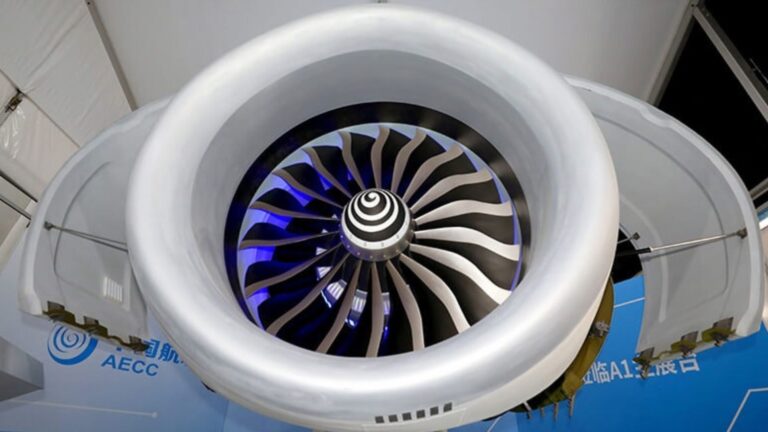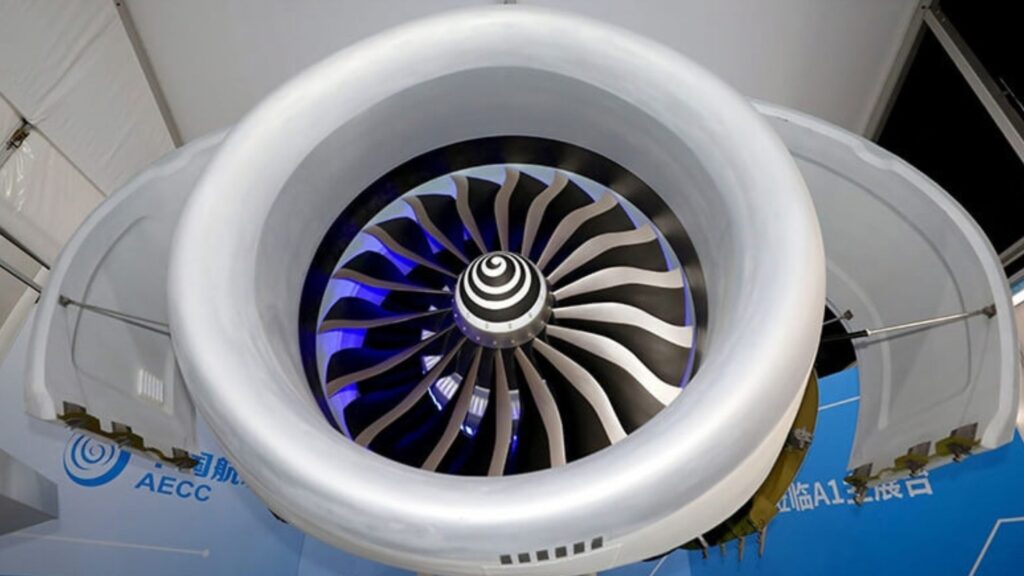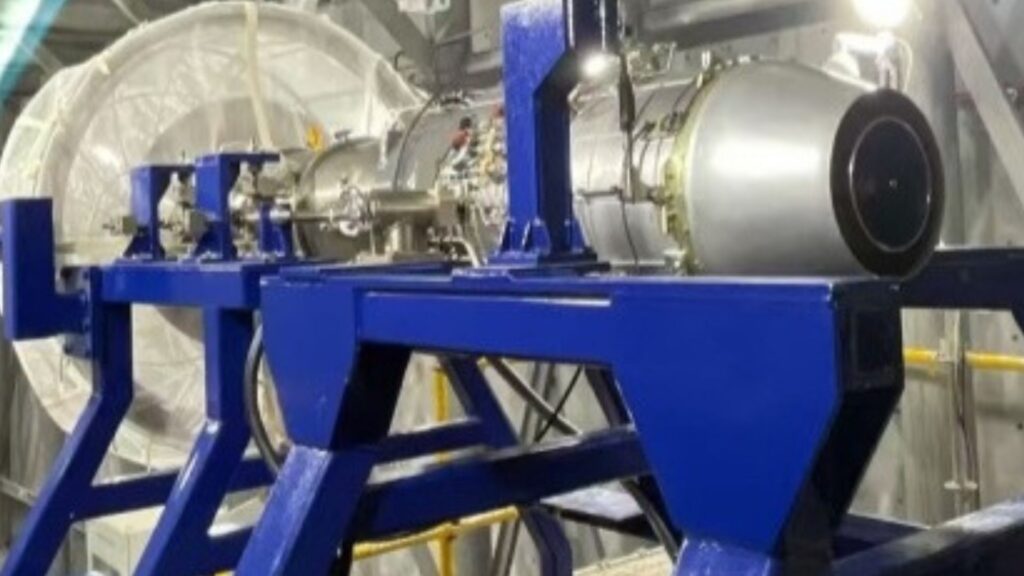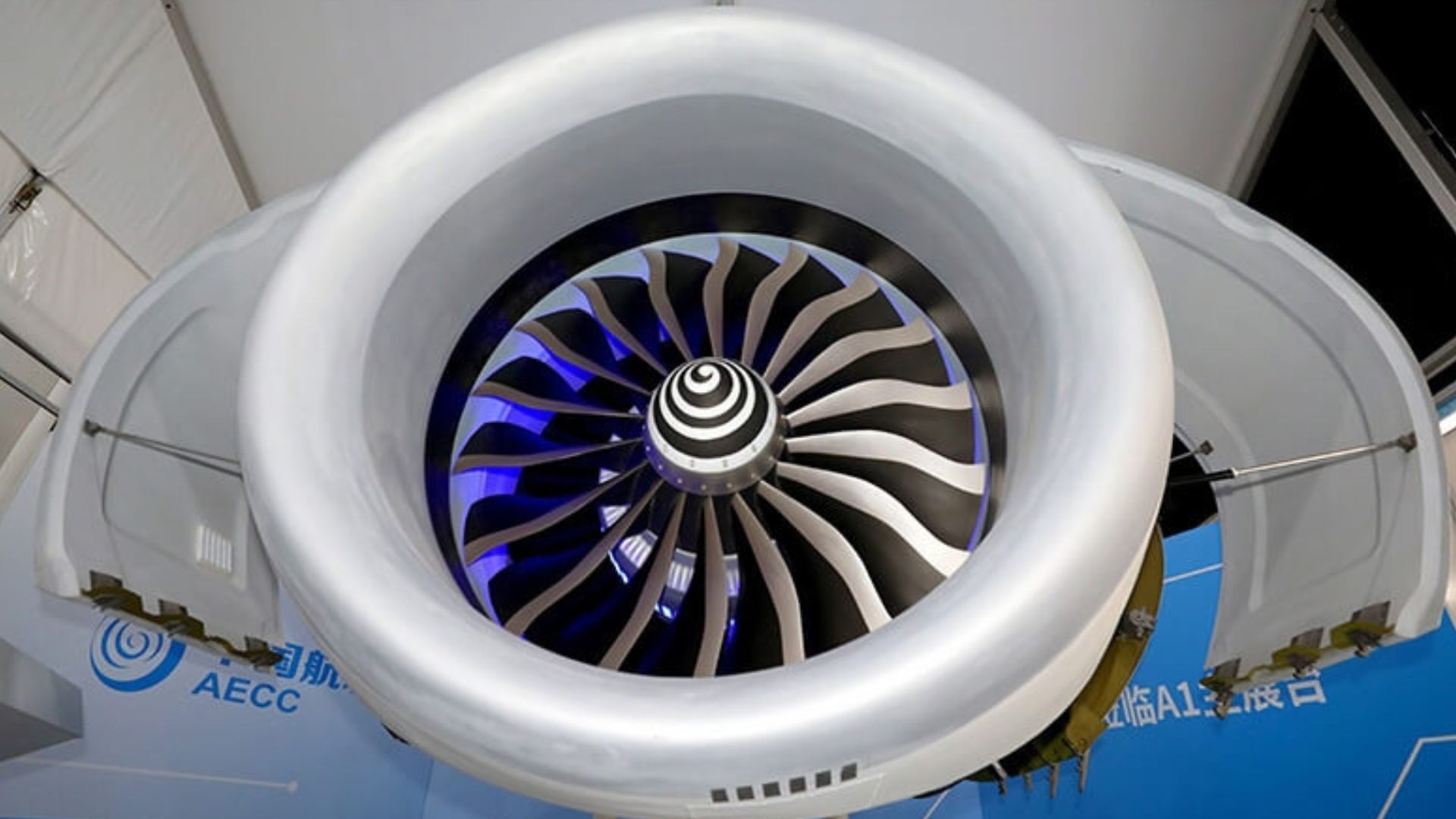
Aero Engine Corporation of China (AECC) has completed full ground tests of its AEP100 turboprop engine powered by liquid hydrogen.
The test marks China’s first engine to reach megawatt-level full-performance standards using this fuel.
The engine was developed by AECC’s Hunan Aviation Powerplant Research Institute in Zhuzhou. Engineers carried out ignition and performance tests under controlled ground conditions.
They reported stable operation across all settings, with both the engine and hydrogen fuel system performing normally.
READ ALSO: China’s 80% Water Network Is Changing Farming, Cities, and Climate
AEP100 Turboprop Engine: A Cleaner Fuel
Liquid hydrogen offers high energy density and produces zero carbon emissions during use. These features make it a strong candidate for reducing aviation’s environmental impact.
The successful test shows that liquid hydrogen turbine technology can work in real conditions. It also moves the technology closer to practical use, shifting it from experimental research toward engineering applications.
Wang Yanan said the technology is still in its early stages worldwide. He explained that challenges such as high costs, storage difficulty, safety concerns, and limited lifespan remain.
WATCH ALSO: Rolls-Royce tests world’s first high-speed marine engine powered by methanol
He said engineers must ensure that any new system matches current engines in performance, safety, and reliability while also cutting emissions.
Experts expect the first applications to appear in unmanned aerial logistics and small regional aircraft. Wider use in commercial passenger aviation will take longer.
READ ALSO: TB Bacteria’s Stealth Immune Evasion, Scientists Explains How
The technology may also support a broader hydrogen economy, including fuel production, storage, and transport systems. If further developed, it could help build a large industrial network for clean aviation.
Liquid hydrogen engines show promise, but they are not ready to replace conventional aviation fuels.