China has built the world’s largest and most comprehensive water infrastructure system, covering over 80% of its land area.
Officials shared the update on World Water Day, highlighting a network that now connects rivers, reservoirs, canals, and irrigation systems across the country.
The system aims to solve a long-standing problem, uneven water distribution. Northern China has most of the farmland and population, but very limited water resources. This imbalance has affected agriculture, cities, and industries for decades.
Wang Hao, an academician at the Chinese Academy of Engineering, said the national water network is designed to fix this gap. He explained that the system improves how water is shared across regions and seasons. It ensures water reaches where people live, where crops grow, and where industries operate.
READ ALSO: Leipzig University Creates Microrobot That Learns to Navigate Flowing Fluids
A Water Network Built at Massive Scale
China’s water system comprises over 95,000 reservoirs and dams, with a storage capacity exceeding 1 trillion cubic meters. It also has hundreds of large water transfer projects and thousands of irrigation districts.
More than 318,000 kilometers of dikes have been built or strengthened to control floods. Rural tap water coverage has reached 96%, improving daily life for millions.
The system supports over 1 billion mu of irrigated farmland(approximately 164.74 million acres), which produces more than 80% of the country’s grain. This makes it essential for food security.
South-to-North Transfer: A Key Lifeline
One of the most important parts of this network is the South-to-North Water Diversion Project. It moves water from the water-rich south to the dry north.
Wang said the project has already transferred over 87 billion cubic meters of water, helping nearly 200 million people. It has supported economic growth and improved ecosystems in northern regions.
WATCH ALSO: Humanoid robot folds towel autonomously after observing human
China is also transforming how it manages water. Traditional methods based on experience are being replaced by advanced digital systems.
Engineers now use digital twin technology. These systems create virtual models of rivers and water networks. They help predict floods, plan water use, and respond quickly to emergencies.
Wang said these tools allow better forecasting and smarter decision-making. He added that combining physical infrastructure with digital systems will ensure precise and balanced water use in the future.
China’s approach is shifting from isolated projects to full ecosystem management. Authorities are now protecting rivers, forests, farmland, lakes, and even deserts as a single interconnected system. This broader vision improves environmental health while supporting development.
WATCH ALSO: China’s new massive battle tank takes part in live-fire test
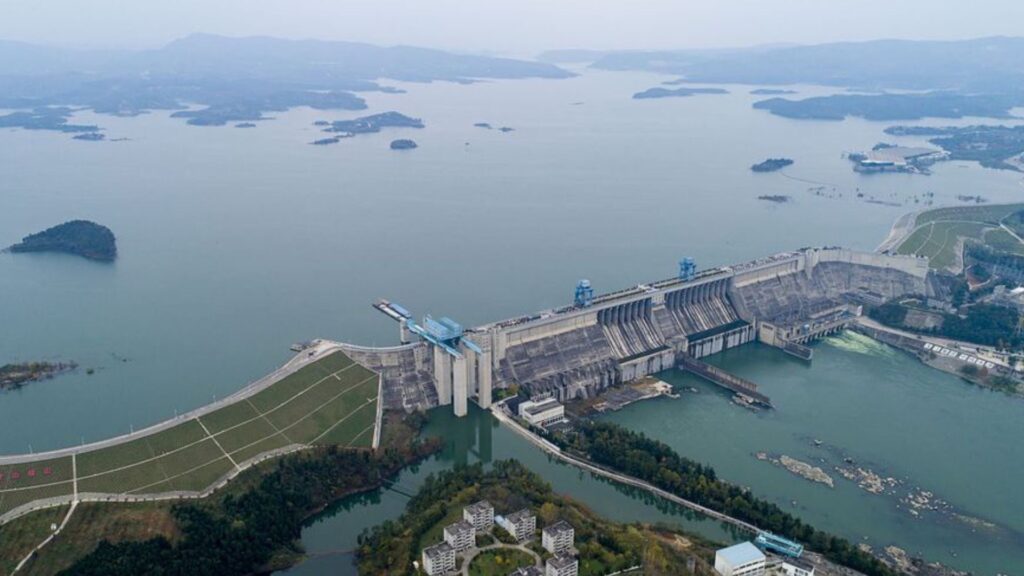
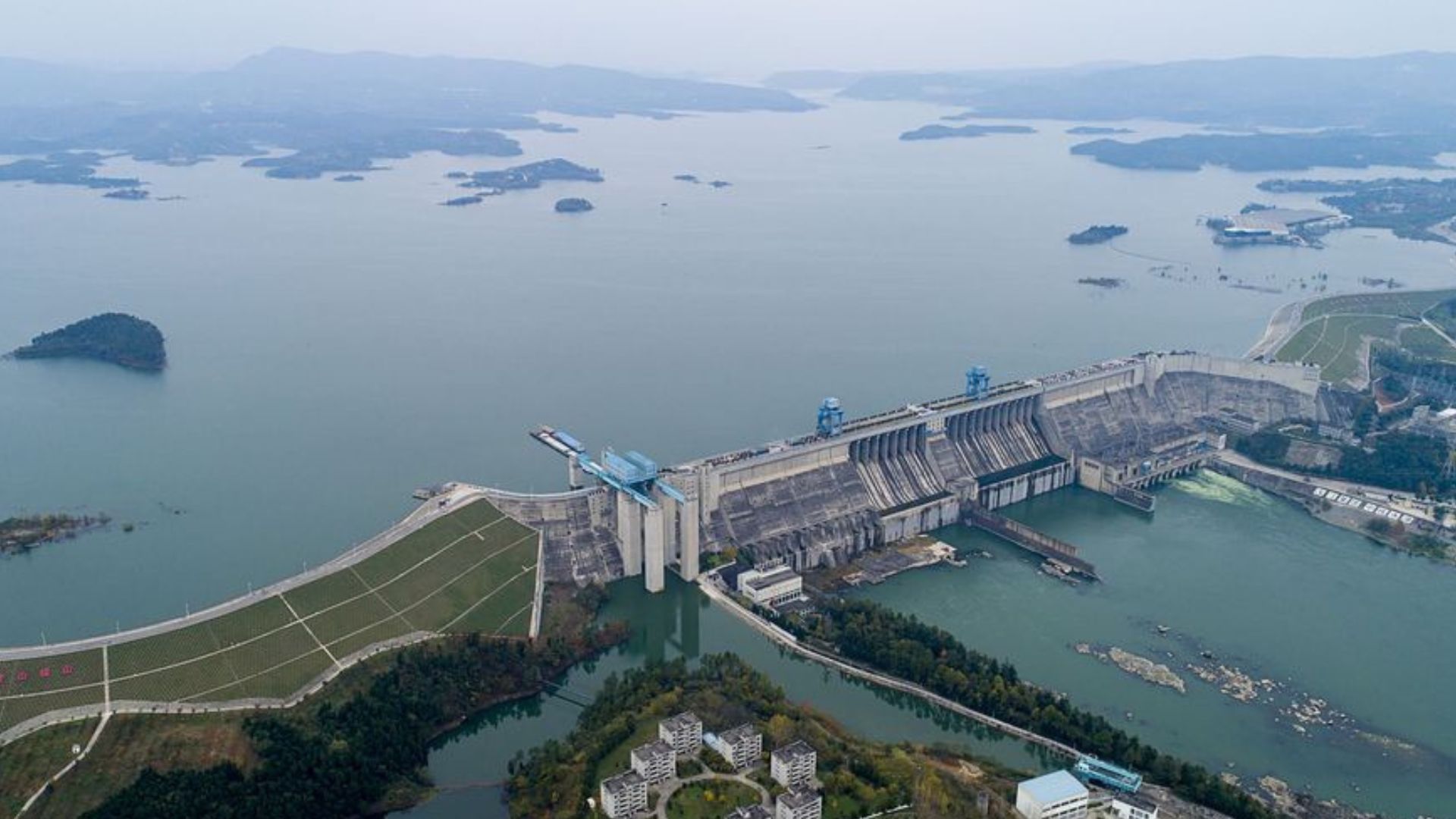
Large projects like the Danjiangkou Dam required major sacrifices. Hundreds of thousands of people were relocated over the course of decades as cities and villages were submerged.
Despite these challenges, the benefits have been significant. Floods and droughts have decreased in many regions. Agriculture has improved. Hydropower, fisheries, and water transport have also grown.
Why It Matters
China’s water infrastructure is not just about supply. It strengthens disaster protection, boosts food production, and supports economic stability.
As climate change increases water risks worldwide, this system offers a model for large-scale water management. Looking ahead, China plans to further integrate digital and physical networks. The goal is to use water more efficiently, protect ecosystems, and ensure long-term sustainability.