Chinese firms have submitted plans to launch a staggering more than 200,000 satellites into low Earth orbit, filing with a UN agency just days after Beijing criticized SpaceX’s Starlink for crowding orbital space and creating crash risks. The filings signal a dramatic escalation in the global satellite internet race.
The final frontier is getting crowded, and the competition is about to go into hyperdrive. While Elon Musk’s SpaceX has dominated the conversation with its Starlink constellation, China is now making an audacious play for the skies. Through a series of filings with the International Telecommunication Union (ITU) at the end of last month, various Chinese entities have signaled plans to launch over 200,000 satellites. This move comes directly on the heels of Beijing’s public criticism of Starlink as a security challenge and a risk to shared orbital resources, setting the stage for an unprecedented showdown in low Earth orbit.
The most colossal proposals, named CTC-1 and CTC-2, each call for 96,714 satellites. They were filed by the newly established Institute of Radio Spectrum Utilisation and Technological Innovation, which was registered in China’s Hebei province on December 30—just one day after the ITU submissions, according to the South China Morning Post.
READ ALSO: https://modernmechanics24.com/post/agibot-humanoid-robots-tiktok-dances/
This institute is a joint venture of seven Chinese entities, highlighting the national strategic priority of this effort. But these two mega-constellations are just the beginning. Other filings include China Mobile’s first-ever satellite project, L1, for 2,520 satellites, and a plan for 1,296 satellites by government-backed Shanghai Spacecom Satellite Technology, the developer of the Qianfan network. These add to China’s existing projects, like the Guowang network aiming for 13,000 satellites.
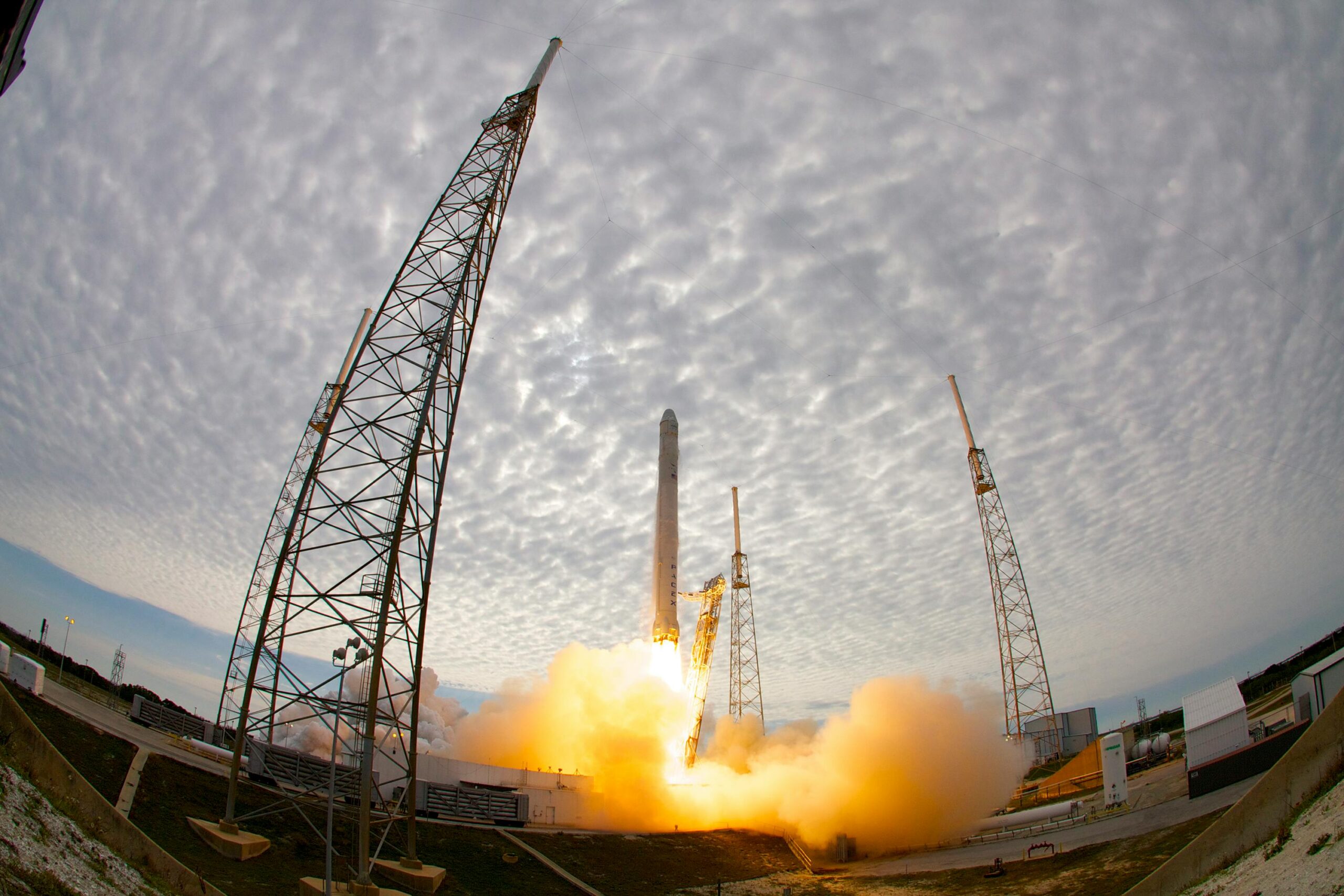
The timing is highly strategic. The filings were submitted just before the U.S. Federal Communications Commission (FCC) announced it had approved SpaceX to launch an additional 7,500 second-generation Starlink satellites, bringing its total approved constellation to 15,000. Under ITU rules, satellite systems have seven years from filing to begin operations, with strict deployment milestones.
WATCH ALSO: https://modernmechanics24.com/post/byd-seal-smooth-electric-power/
By filing now, China is rushing to stake its claim to finite orbital slots and radio frequencies before they are all allocated. “Radio frequency bands and orbital slots in low Earth orbit are limited, and first movers for those resources can gain priority,” noted the South China Morning Post. This is a classic land rush, played out 400 kilometers above Earth.
This massive Chinese proposal fundamentally reshapes the landscape of space infrastructure. It answers SpaceX’s ambition to eventually launch 42,000 satellites with a counter-proposal nearly five times larger. The practical challenges of building, launching, and managing such an immense number of satellites are monumental, and it remains to be seen how many will actually be deployed.
However, the intent is clear: China will not cede the strategic domain of space-based internet and global connectivity to the United States. The era of a single dominant megaconstellation is over; we are now entering the age of competing orbital empires, with the long-term sustainability of the space environment hanging in the balance.