Collins Aerospace, a subsidiary of RTX, has been awarded a $20.3-million contract to upgrade the US Navy’s fleet of E-6B Mercury “doomsday” aircraft. The project will enhance the critical command-and-control planes’ strategic communications systems, ensuring reliable connectivity for national leadership during a catastrophic event, with work set for completion by June 2027.
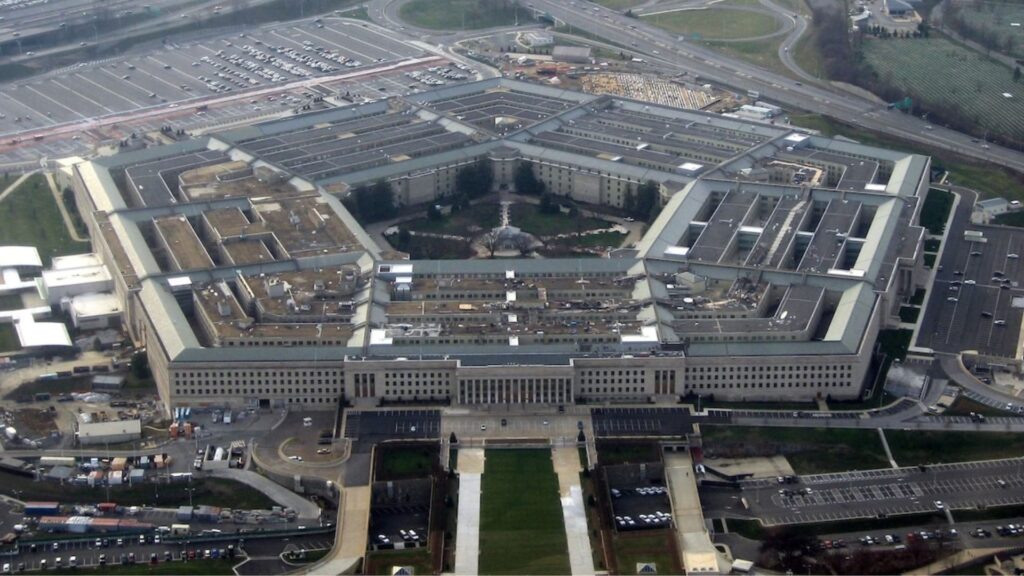
In the shadowy world of strategic deterrence, a handful of aircraft stand ready as a last-resort nerve center. The US Navy’s E-6B Mercury, a modified Boeing 707, is one such platform, designed for the critical Take Charge and Move Out (TACAMO) mission. Its task is stark: maintain communication between the President, the Pentagon, and the nation’s nuclear forces even in the aftermath of a decapitating strikDoomsdaye. Now, to ensure this airborne command post remains unbreakably connected, Collins Aerospace is tasked with a vital technological refresh.
The contract, announced by the Department of Defense, covers the delivery of three full-rate production High-Power Transmit Set Modernization (HPTS-M) kits. These kits will replace aging transmitters and radios with new, more powerful systems, providing what the company describes as “continuous and reliable connectivity” for strategic communications. While the exact specifications of the new hardware remain classified, the Pentagon’s reliance on Collins Aerospace is clear. A pre-solicitation notice in 2024 identified the RTX subsidiary as the “only known qualified, responsible source” capable of fulfilling the highly specialized requirements.
READ ALSO: https://modernmechanics24.com/post/china-military-drill-mexico-cuba-taiwan/
The modernization work will be carried out at Collins Aerospace’s facility in Richardson, Texas, under the oversight of the Naval Air Systems Command (NAVAIR) in Patuxent River, Maryland. This upgrade comes as the Navy is taking parallel steps to ensure the longevity of its TACAMO mission. The service has expanded its E-6B Mercury pilot training program in Oklahoma and is actively developing a replacement aircraft, designated the E-130J. Based on the C-130J-30 Super Hercules airframe, the Navy plans to field nine E-130J platforms by 2028 to eventually succeed the aging E-6B fleet.
This Navy effort mirrors a similar initiative by the US Air Force, which is developing its own next-generation “doomsday” plane, the E-4C, to replace the 1970s-era E-4B fleet. Together, these programs represent a multibillion-dollar, multi-service commitment to preserving the ultimate backstop of national command authority. For the E-6B Mercury, the Collins Aerospace upgrade is a crucial bridge—ensuring the aircraft remains fully mission-capable and technologically resilient until its successor is ready to assume the weighty responsibility of being America’s airborne link of last resort.
WATCH ALSO: https://modernmechanics24.com/post/ai-robot-picks-strawberries-fast/