NASA and its partners will conduct the first medical evacuation in the 24-year history of the International Space Station, bringing the four-member SpaceX Crew-11 mission home ahead of schedule. The decision, announced on January 8, was made due to a medical issue with an unidentified crewmember who is in stable condition, requiring diagnostic capabilities unavailable on orbit.
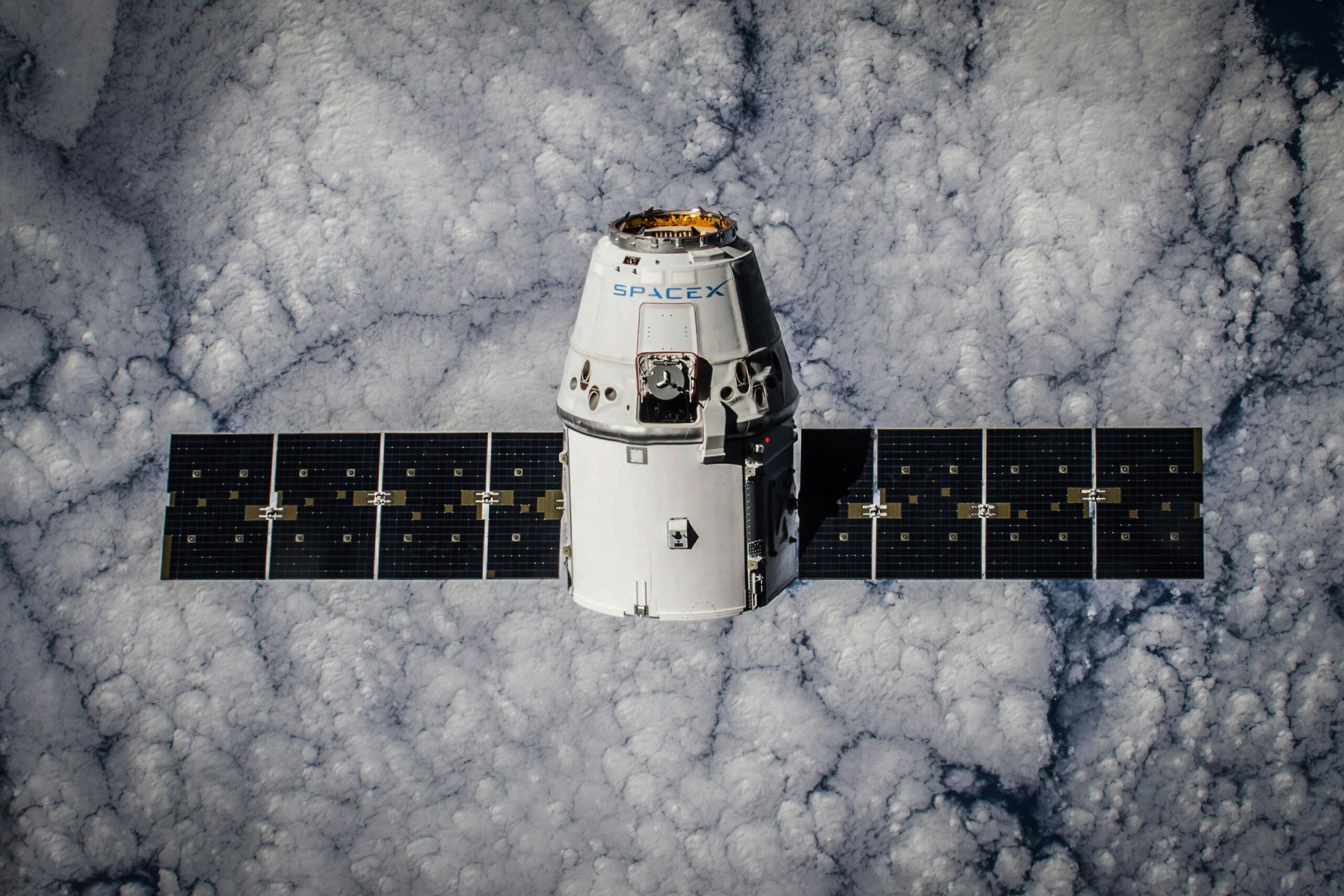
For the first time since astronauts began continuously living aboard the International Space Station in November 2000, a crew will cut their mission short for a medical reason. In an unprecedented move, NASA has decided to expedite the return of the four Crew-11 astronauts—NASA’s Zena Cardman and Michael Fincke, JAXA’s Kimiya Yui, and Roscosmos’ Oleg Platonov—aboard their SpaceX Crew Dragon Endeavour capsule. “It is not an emergency de-orbit,” stressed NASA Administrator Jared Isaacman during a press conference, but a prudent step. “The capability to diagnose and treat this properly does not live on the International Space Station,” he explained, confirming the need for a return to Earth.
The situation unfolded rapidly. On January 7, the agency postponed a planned spacewalk by Cardman and Fincke due to an undisclosed “medical concern.” While officials have fiercely protected the affected astronaut’s privacy, Dr. James Polk, NASA’s chief health and medical officer, provided crucial context. “This is not an operational issue. This was not an injury,” he stated, reported in the agency’s briefing. The issue is related to managing a medical condition in the unique environment of microgravity with the limited diagnostic tools available on the ISS. Surprisingly, such an event has been long statistically expected. According to Dr. Polk, modeling predicted a medical evacuation roughly every three years; the station had simply beaten the odds until now.
Timing, while not the primary driver, made the difficult decision somewhat more straightforward. The Crew-11 quartet launched on August 1, 2025, and was already nearing the end of its planned six-month expedition. “They’ve achieved almost all of their mission objectives,” Administrator Isaacman noted. Furthermore, their replacement crew, Crew-12, is scheduled to launch in mid-February. Bringing Crew-11 home now ensures a smooth handover and utilizes a vehicle that is already flight-ready.
READ ALSO: https://modernmechanics24.com/post/is-russias-ship-putins-new-yacht/
The evacuation will temporarily reduce the station’s crew complement to just three: NASA astronaut Christopher Williams and Roscosmos cosmonauts Sergey Kud-Sverchkov and Sergei Mikayev, who arrived on a Soyuz spacecraft in late November. This leaves Williams as the sole American on board for a period, a situation for which he is fully prepared. “Chris is trained to do every task that we would ask him to do on the vehicle,” assured NASA Associate Administrator Amit Kshatriya. He emphasized that ground control centers worldwide provide constant support, ensuring the station’s critical science and operations continue uninterrupted.
While the exact departure date depends on vehicle readiness and weather, the decision marks a historic moment in human spaceflight. It validates long-standing contingency plans and underscores the paramount principle of crew safety over mission duration. The incident highlights the inherent risks of long-duration spaceflight even as it demonstrates the robust, flexible systems now in place to protect human life off the planet. For the Crew-11 astronauts, their mission concludes not with a fanfare of completed experiments, but with the quiet confidence of a system that worked exactly as designed to bring them safely home.
WATCH ALSO: https://modernmechanics24.com/post/china-unitree-launches-h2-humanoid/