The official paper of the People’s Liberation Army (PLA) has outlined a clear doctrine for unmanned warfare, stating that victory will be achieved through overwhelming “saturation attacks based on numerical superiority.” According to the commentary, deploying masses of low-cost drones to exhaust an adversary’s high-value assets is the formula for winning future conflicts with minimal cost.
What does the future of warfare look like? If a recent essay in the PLA Daily is any indication, it will be a sky darkened by intelligent, coordinated drone swarms. The paper, published Tuesday and titled “Exploring the Winning Formula for Unmanned Attrition Warfare,” argues that the path to victory lies not in a handful of exquisite, expensive platforms, but in the relentless, overwhelming use of expendable unmanned systems. The authors—Zhou Xiaoli, Zhang Changfang and Zhu Qichao—contend that by “flexibly deploying low-cost unmanned systems to continuously deplete the opponent’s high-value combat assets,” a force can achieve decisive advantage, stated the PLA Daily.
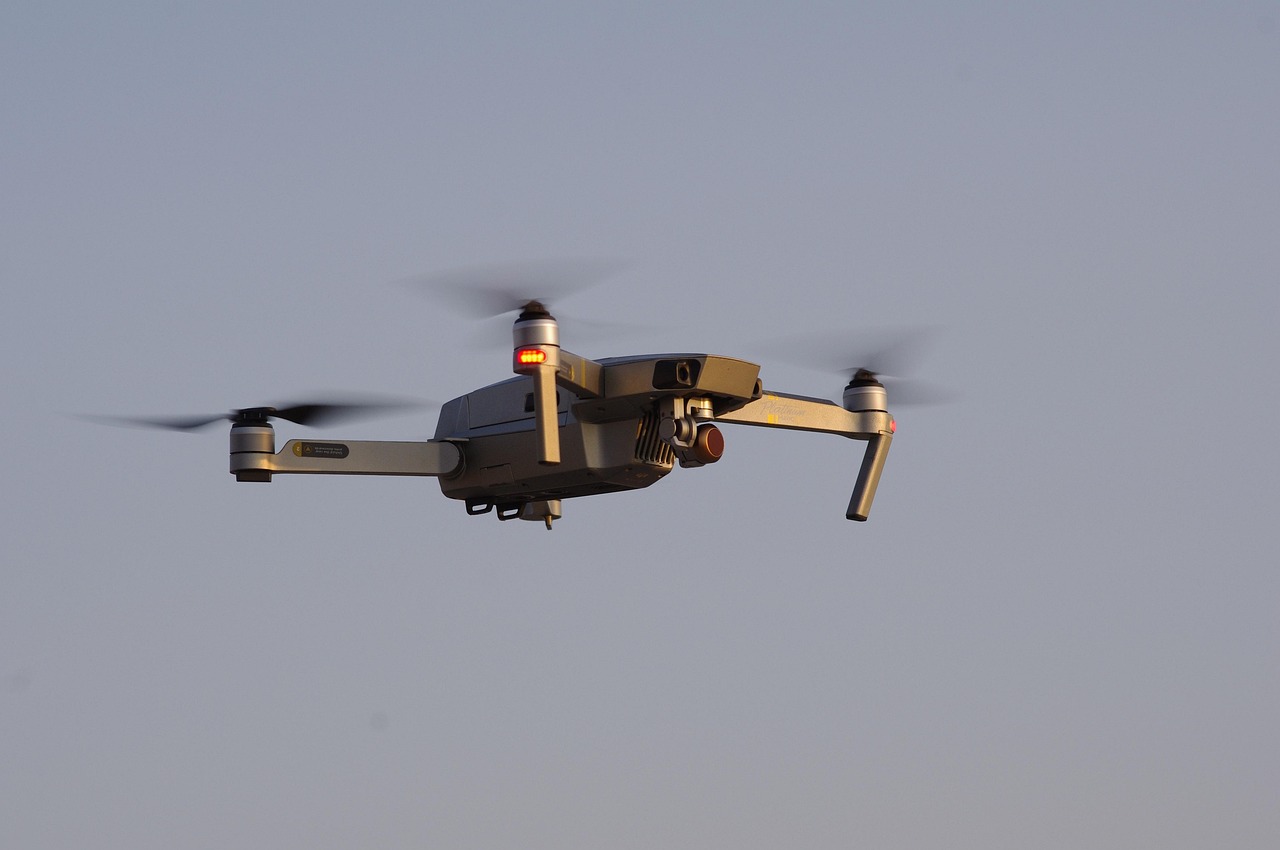
This concept, known as a saturation attack, is designed to paralyze defenses. The idea is simple yet formidable: release so many drones at once from so many directions that any defense system becomes overwhelmed and collapses. The commentary explains that concentrated formations could “launch simultaneous operations across multiple domains and directions,” thereby “forcing the enemy into a state of exhaustion and passive defence.” It’s a strategy of attrition, where cheap drones are traded for costly missiles, ships, or radar systems.
READ ALSO: https://modernmechanics24.com/post/usaf-yfq48a-northrop-talon-fighter-drone/
The vision extends beyond just the skies. The article describes a deeply integrated, multi-domain unmanned battlefield. Imagine ground-based robotic vehicles advancing alongside infantry, their sensors linked to aerial drones circling above. The PLA Daily piece suggests just that, with “the former responsible for firepower strikes and target guidance, while the latter handles reconnaissance and support.” This coordination across air and land could create a seamless, intelligent, and relentless front.
Why is China so focused on this? The lessons from global battlefields are clear. Observers have watched the profound impact of small, commercially available drones in conflicts like Ukraine, where they have leveled the playing field in stunning ways. For China, which sees unmanned technology as pivotal to modern “asymmetric warfare,” developing swarm capabilities is a strategic imperative, reported the South China Morning Post. This is especially relevant in potential regional scenarios, including operations in the Taiwan Strait.
The paper is not just theory; it is being backed by rapid hardware development. Recent months have seen a flurry of activity. In early December, China’s massive Jiu Tian drone carrier completed its first flight. This formidable aircraft, which debuted at the 2023 Zhuhai air show, is reported to carry up to 100 cruise weapons or small drones that can be launched simultaneously, giving it a terrifying saturation strike capacity. Days later, the long-endurance stealth CH-7 drone also completed its maiden flight. These systems join a growing family of loyal wingman drones and unmanned combat vehicles paraded in September.
WATCH ALSO: https://modernmechanics24.com/post/ula-atlasv-amazon-leo-success/
The race is on, and the United States is also pushing hard to establish its own unmanned edge. In June, former President Donald Trump signed executive orders to bolster these capabilities, and Defense officials have called for aggressive procurement to enable widespread deployment by late 2025. The message from the PLA Daily is unequivocal: the side that best masters the swarm—combining numbers, coordination, and AI—may hold the key to the next war’s outcome.