Rolls-Royce Submarines will build the nuclear reactors for every Australian SSN-AUKUS submarine at its Raynesway facility in Derby, according to the UK Ministry of Defence.
The arrangement gives Britain a long-term industrial role in Australia’s future nuclear-powered submarine fleet while Australia develops its own construction and sustainment capabilities. It also places Derby at the centre of a submarine programme shared by the UK and Australia under the AUKUS security partnership.
The details appear in the UK government’s Defence Nuclear Enterprise 2026 Annual Update to Parliament. Australia has committed £2.4 billion over 10 years to expand Rolls-Royce infrastructure and share the cost of designing the new submarine. The funding forms part of a wider effort to build the industrial base needed to support Australia’s transition to nuclear-powered submarines.
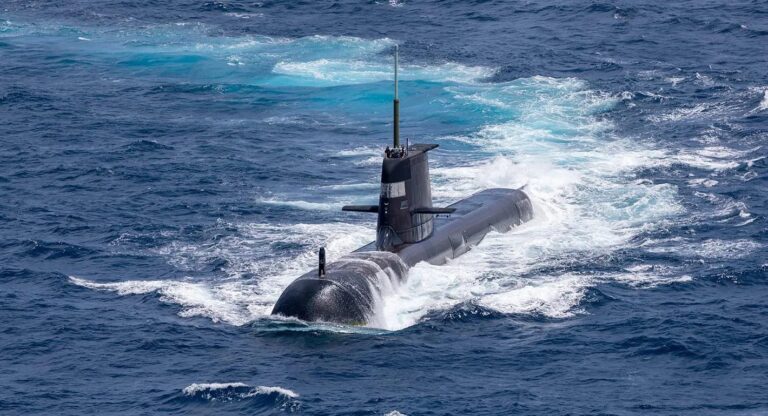
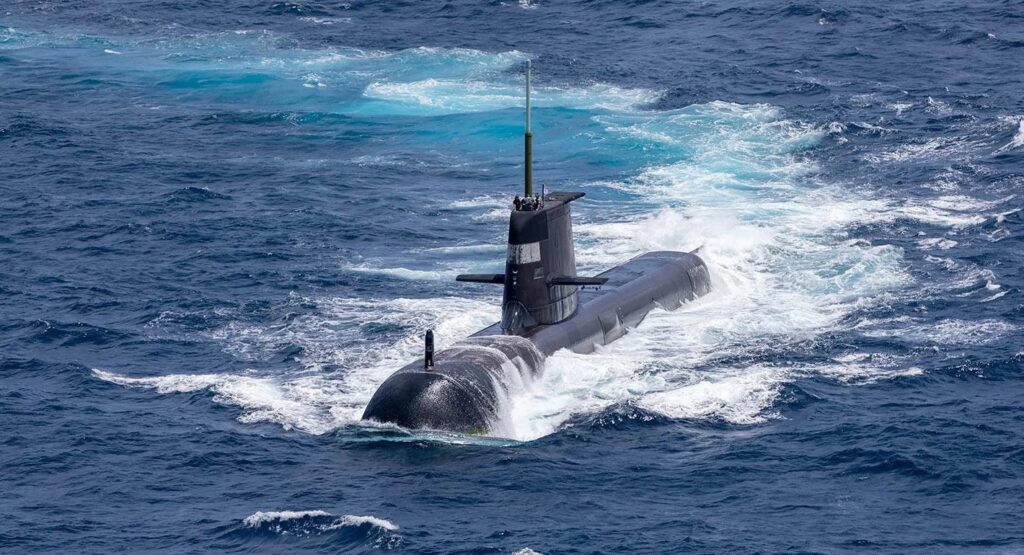
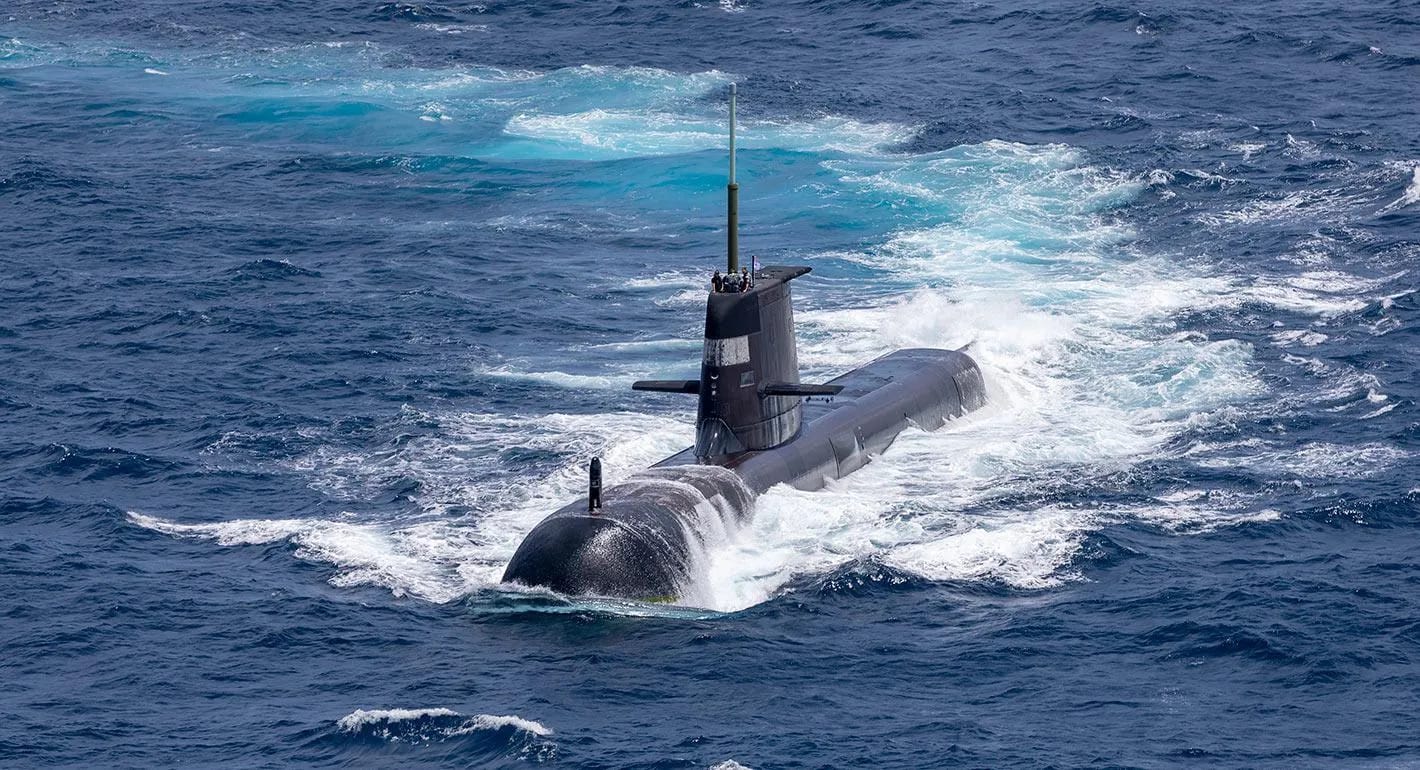
SSN-AUKUS is a British-designed, nuclear-powered and conventionally armed attack submarine. It is being developed by Britain and Australia with support from the US and is intended to replace the Royal Navy’s Astute-class attack submarines. Australia will use the design as the foundation for its future fleet of nuclear-powered attack submarines.
READ ALSO: https://modernmechanics24.com/post/nasa-boeing-starliner-as-dragon-exits/
How The Reactor Fits
The reactor is the heart of a nuclear-powered submarine because it supplies the energy needed for propulsion and onboard systems.
Unlike a conventional diesel-electric submarine, an SSN does not need to surface regularly to obtain air for its main power system. Nuclear propulsion therefore allows an attack submarine to remain underwater for extended periods while supporting high-speed movement and long-range operations.
The exact design and technical specifications of the SSN-AUKUS reactor remain subject to security restrictions. Naval reactors generally use a pressurised-water system in which heat from the nuclear reactor produces steam that drives turbines and generates electricity. This provides a compact and continuous power source suited to a large submarine operating far from its home base.
The SSN-AUKUS will carry conventional weapons rather than nuclear weapons. Its nuclear propulsion is separate from its weapons role, giving the submarine the endurance associated with nuclear-powered attack submarines without making it a ballistic-missile submarine. The design is intended to combine advanced propulsion with modern sensors, weapons, communications and undersea systems.
Britain Builds Australia’s Reactors
Britain will construct its own SSN-AUKUS submarines at BAE Systems’ shipyard in Barrow-in-Furness. Australia plans to build its boats at the Osborne Naval Shipyard in South Australia as its domestic submarine industry expands. Reactor production will remain concentrated at Rolls-Royce’s Raynesway site in Derby for both Australian and British SSN-AUKUS fleets.
The decision gives Rolls-Royce a continuing role in the programme even when Australian submarines are assembled thousands of kilometres away. The UK will also provide key components as Australia develops the facilities, skills and supply chains required to build and maintain its fleet. This creates an industrial link between the two national submarine programmes.
The programme is now in its Detailed Design and Long Lead phase. Britain expects to decide the number of SSN-AUKUS submarines it will order before this phase ends in 2028. Around £4 billion in contracts have already been awarded for submarine development and the infrastructure needed to support future production.
WATCH ALSO: https://modernmechanics24.com/post/five-luna-robots-synchronized-dance/
Production Plans Take Shape
Steel cutting for the first British SSN-AUKUS submarine is planned for 2027. The Royal Navy expects the first British boat to enter service in the late 2030s. The timeline places the programme alongside Britain’s continuing effort to expand its nuclear submarine construction capacity.
The British government plans to invest about £6 billion during the current Spending Review period across Raynesway, Barrow-in-Furness and the wider submarine supply chain.
The investment is designed to increase production capacity and support a sustained construction rate of one submarine every 18 months. The expansion will also allow SSN-AUKUS boats to be built alongside Dreadnought-class ballistic-missile submarines.
For Australia, the programme is part of a much larger shift towards nuclear-powered undersea capability.
Canberra is developing the industrial base needed to construct, operate and sustain nuclear-powered submarines while working with Britain and the US on technology, training and infrastructure. The Australian fleet will be built domestically, but its reactor supply will remain closely linked to Britain’s nuclear submarine industry.
AUKUS Enters Next Phase
The reactor arrangement shows how AUKUS extends beyond submarine design and into long-term industrial cooperation.
Britain will provide important technology, components and manufacturing capacity, while Australia builds the domestic workforce and facilities needed to support its submarines. The US remains a key part of the wider AUKUS submarine pathway, including Australia’s planned acquisition of Virginia-class submarines as an interim capability.
For Rolls-Royce, the programme links its Derby reactor operations to two future submarine fleets.
For Britain, it supports the expansion of a nuclear submarine industrial base that must handle both attack and ballistic-missile submarine programmes. For Australia, it establishes a path towards a sovereign submarine-building capability while retaining access to established British nuclear engineering expertise.
The next major stages will include further design work, long-lead manufacturing and decisions on the size of the British fleet. With Australian infrastructure developing in parallel, the SSN-AUKUS programme is moving from joint design towards the industrial work needed to produce the submarines. The planned reactor production arrangement at Derby is expected to remain a central part of that transition.