

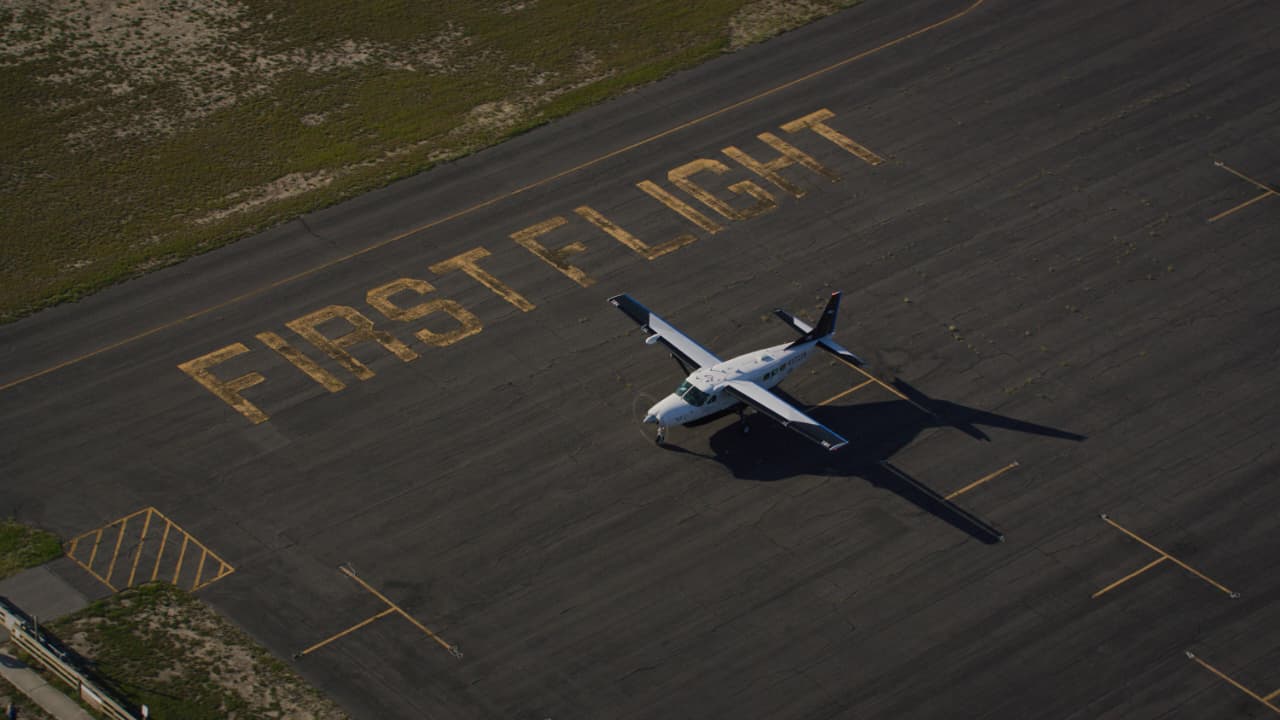
Joby Aviation has completed an autonomous flight across the US, covering 3,199 miles without control inputs from the onboard safety pilot.
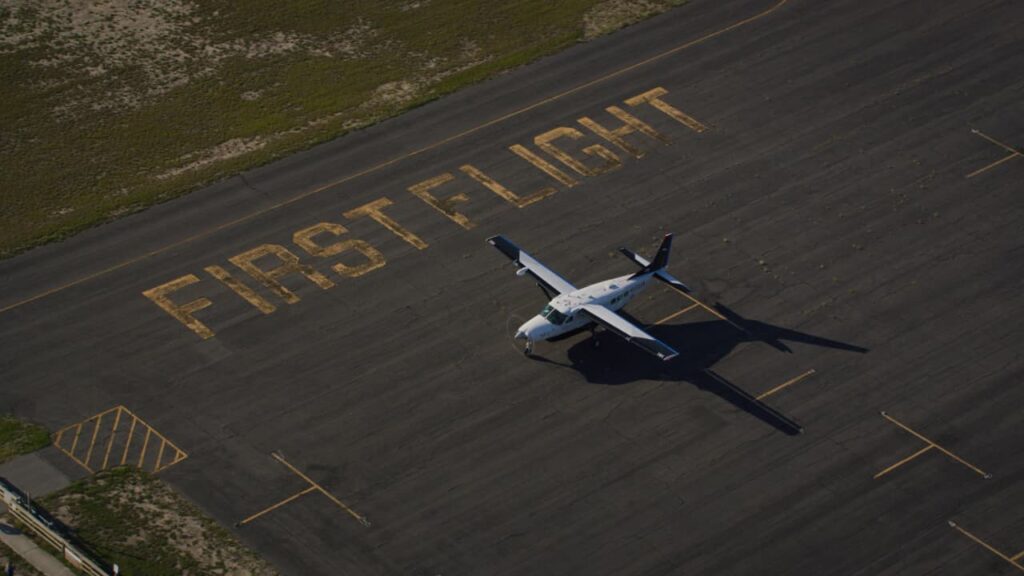
The converted Cessna Caravan flew from Concord, California, to Dare County Regional Airport in North Carolina under remote supervision. The journey tested Joby’s autonomy system across airports, weather conditions and different operating environments.
The aircraft completed autonomous taxiing, takeoff, route navigation and landing during the eastbound journey.
Joby engineers supervised the aircraft remotely from its Autonomy Headquarters in California and Shaw Air Force Base in South Carolina. At its greatest separation, the aircraft operated under supervision from as far as 2,323 miles away.
The flight formed part of Joby’s 2026 Electric Skies tour, which includes demonstrations of autonomous aviation and air logistics.
READ ALSO: https://modernmechanics24.com/post/us-army-2500-missile-cheap-drones/
The aircraft stopped in Concord, Phoenix, Fort Worth, Shaw Air Force Base and the Outer Banks during the eastbound route. Joby said the journey provided operational experience in environments relevant to freight, medical transport, emergency response and defense logistics.
At Phoenix Deer Valley Airport in Arizona, the aircraft operated in a busy general aviation environment. It also responded to severe weather and thunderstorms by changing its route in real time. The system completed these operations without requiring prior familiarity with every airport on the route.
Testing Logistics And Defense
Joby has developed its autonomy system to operate aircraft with limited reliance on onboard pilot control. The company acquired the underlying autonomy technology from Xwing in 2024 and has since continued testing and development. Joby said the system has completed more than 400 flights and accumulated over 800 automated flight hours in controlled and uncontrolled airspace.
The technology has also been tested during US military exercises. During the Air Force’s Agile Flag exercise, an autonomous aircraft delivered replacement parts 24 hours faster than conventional logistics methods, according to Joby. During REFORPAC in Hawaii, aircraft were remotely operated from Guam, almost 4,000 miles away.
The use of an existing certified aircraft is another part of Joby’s approach. Instead of developing an entirely new aircraft for autonomous logistics, the company has integrated its autonomy system with a converted Cessna Caravan. This approach gives Joby a platform for testing autonomous cargo and other missions before similar systems are applied to additional aircraft.
Kitty Hawk Flight Marks Milestone
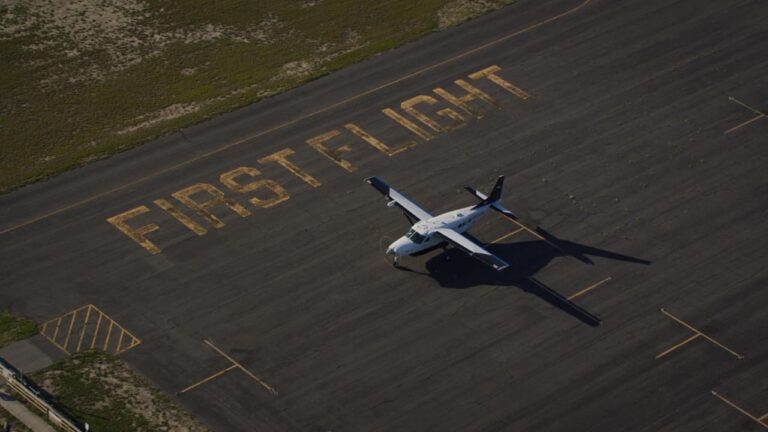
The eastbound journey ended in North Carolina’s Outer Banks, close to Kitty Hawk. Before landing at Dare County Regional Airport, the aircraft made a low pass near the First Flight Monument, marking the location associated with the Wright brothers’ first powered flight in 1903.
The location connected the autonomous flight demonstration with a major point in aviation history. The aircraft then landed at Dare County Regional Airport, where Joby is supporting North Carolina’s eLIFT-NC initiative. The program is examining the use of autonomous aviation for statewide healthcare logistics.
Joby is also involved in Utah’s multi-state uFLY coalition. The western portion of the company’s tour has been used to examine autonomous flight in high-altitude and extreme environments. The work supports wider efforts to understand how new aircraft systems can operate within the US airspace system under FAA oversight.
WATCH ALSO: https://modernmechanics24.com/post/agibot-a3-martial-arts-humanoid-robot/
Next Stage For Autonomous Aviation
Joby said autonomous aircraft can support missions where regular pilot-operated flights are difficult, expensive or limited by pilot availability.
These include moving medical supplies, transporting freight to remote communities, responding to disasters and supporting military logistics. Remote operation also separates the person supervising the aircraft from the aircraft itself, which may be useful for missions in hazardous areas.
The aircraft will now begin its westbound return journey. Planned stops include Raleigh, Fredericksburg near Washington, D.C., Louisville, Wichita, Oklahoma City, Salt Lake City and Portland.
The 3,199-mile flight gives Joby additional operational data from a long-distance autonomous mission across varied US airspace. The company’s next phase will involve applying that experience to logistics, emergency response and other aviation operations while continuing to develop its autonomous flight systems.


One Response