China’s Shenzhou-23 astronauts have completed a busy week of science experiments, station maintenance and health checks aboard the country’s space station. The crew also tested Xiaohang, a station robot that is being trained to improve its movements and future work in orbit.
The three astronauts are Zhu Yangzhu, Zhang Zhiyuan and Lai Ka-ying, also known as Li Jiaying. Their recent work included medical tests, virtual reality experiments, robotics research and routine maintenance of the space station.
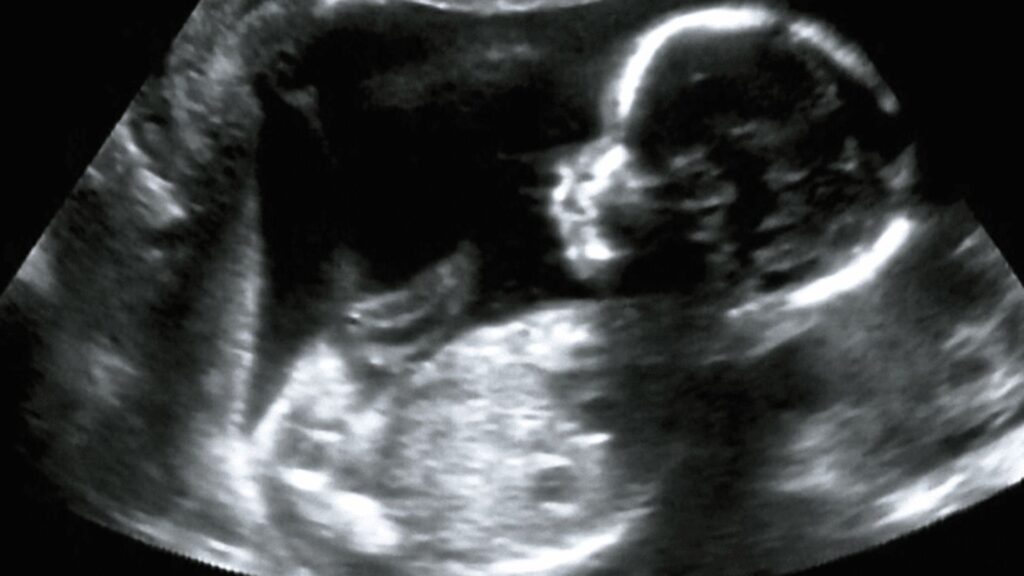
The crew used an ultrasound device to examine several muscle groups and carried out grip-strength tests. The data will help scientists study how sensitive muscles change during long periods in microgravity.
READ ALSO: https://modernmechanics24.com/post/new-attack-bypasses-processor-security/
The astronauts also took part in a multi-person VR experiment. Wearing virtual reality devices, they completed tests that measured individual perception and how two people can work together in a simulated environment.
Another part of the work focused on Xiaohang, the station’s robot. The astronauts carried out touch-interaction tests with the robot, giving engineers data that can be used to improve how it plans and controls its movements.
The crew also supported research into how astronauts move in space. One study is tracking body movement during long stays in orbit, while another looks at how running on a treadmill works under microgravity conditions.
A 3D camera was used to record an astronaut’s posture while running on the station’s treadmill. Such data can help researchers better understand changes in movement and body mechanics during spaceflight.
The astronauts also continued microgravity physics experiments. They replaced samples in a fluid physics cabinet, cleared samples from another experiment chamber, serviced equipment and cleaned viewing lenses.
WATCH ALSO: https://modernmechanics24.com/post/hyundai-atlas-humanoid-robot-wins-honor/
Alongside the research work, the crew handled routine tasks inside the station. They organized supplies and cleaned the living areas to keep the space station operating smoothly.
The Xiaohang tests are important because robots could take on more routine tasks in future space missions. Better movement planning and human-robot interaction could allow astronauts to spend more time on complex scientific work while robots handle selected support jobs.