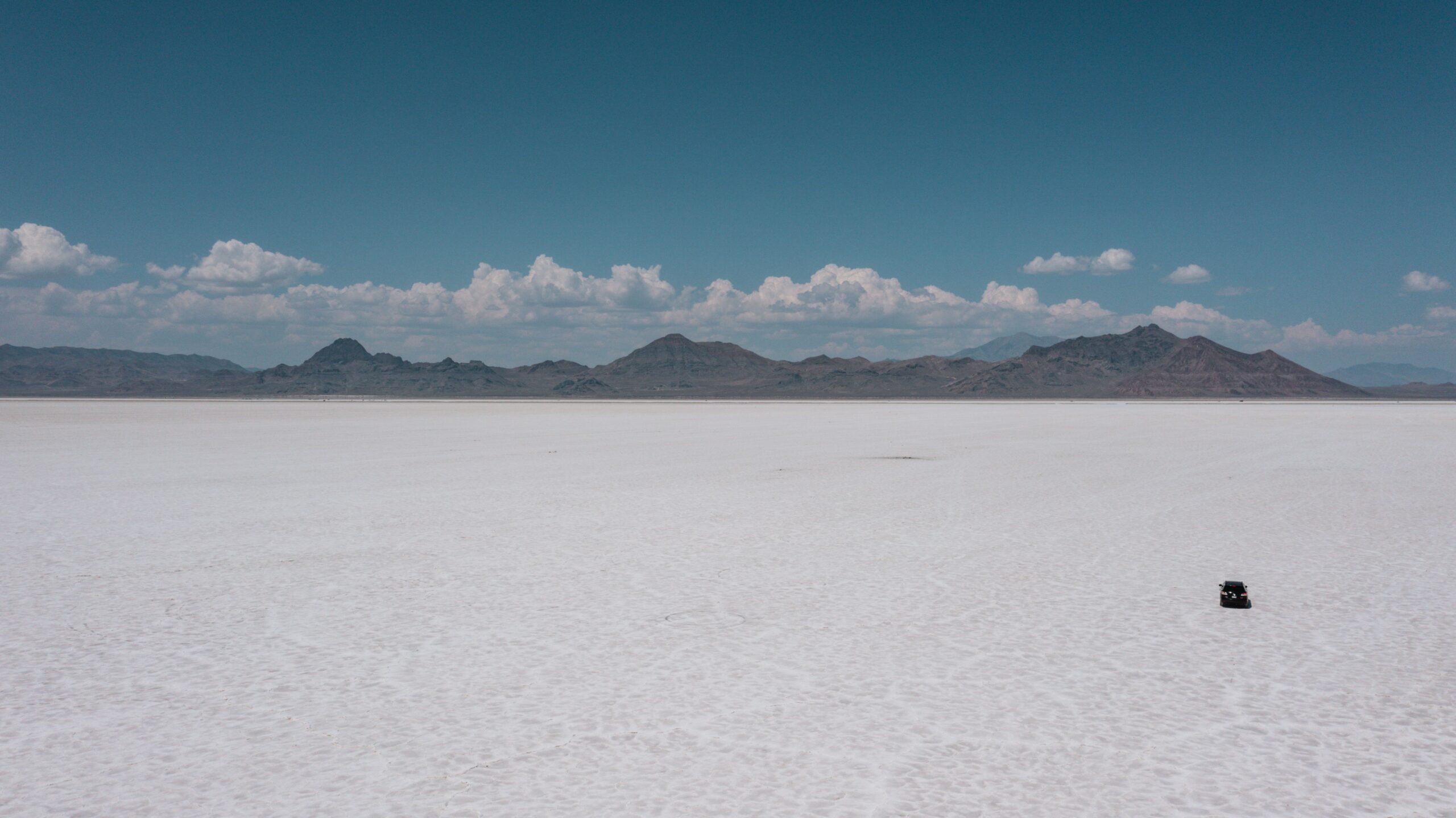
JCB has set a new land speed record with its hydrogen-powered Hydromax streamliner at the Bonneville Salt Flats. The car reached an average speed of 368.347 mph, breaking a 16-year-old SCTA class record and showing what hydrogen combustion engines can do at very high speeds.
The JCB Hydromax was created by JCB, with support from engineering partners including Prodrive and Ricardo. It is driven by Wing Commander Andy Green OBE, the same driver who helped JCB set its diesel land speed record in 2006.
The main goal is to test hydrogen as an alternative to gasoline and diesel. This matters especially for heavy machines, where replacing large diesel engines with batteries can be difficult.
READ ALSO: https://modernmechanics24.com/post/berkeley-ultra-thin-material-power-chip/
The Hydromax uses two production-based hydrogen internal combustion engines. These engines are being prepared to deliver about 1,600 horsepower together, with the power sent through the car’s four-wheel-drive system.
The record runs were completed over two days. The car first reached 367.141 mph and then hit a top speed of 369.554 mph. The official average of 368.347 mph beat the previous SCTA class record of 348.342 mph, set in 2010. Electric Cars Report also noted that JCB has completed 44 test runs as part of its development program.
There is still a limit to what this record proves. The Hydromax is a specially built streamliner designed for extreme speed. Its record performance does not mean hydrogen engines are ready to replace batteries or diesel engines in every vehicle.
The next step is an FIA-sanctioned world record attempt. JCB plans to use the data from Bonneville and increase the Hydromax’s power as it continues testing. The project could give JCB useful information about hydrogen combustion for future construction and heavy-duty machines. JCB says its hydrogen engines are already being used in production machines.
WATCH ALSO: https://modernmechanics24.com/post/future-warehouse-robots-pick-pack-learn/
JCB has a history of using speed projects to test its engine technology. Its Dieselmax reached 350.092 mph in 2006 and still holds the world diesel land speed record. The Hydromax now gives the company a similar test bed for hydrogen power.