China is working to power all of its Antarctic research stations with renewable energy by 2035. Its newest base, Qinling Station, already gets more than 60% of its electricity from solar, wind, hydrogen, and battery storage. The goal is to reduce the use of diesel fuel in one of the world’s harshest environments.
Qinling Station, which opened in 2024, is leading China’s clean energy effort in Antarctica. According to the South China Morning Post, the project is part of China’s polar clean energy programme, led by Professor Sun Hongbin, President of Taiyuan University of Technology. A new clean energy research base was also launched to improve technologies for polar conditions.
For decades, China’s Antarctic stations relied entirely on diesel for electricity and heating. Diesel is reliable but expensive to transport and produces emissions. By switching to renewable energy, China hopes to lower fuel use while making its research stations more sustainable.
READ ALSO: https://modernmechanics24.com/post/us-begins-hydrogen-drone-sub-teardown/
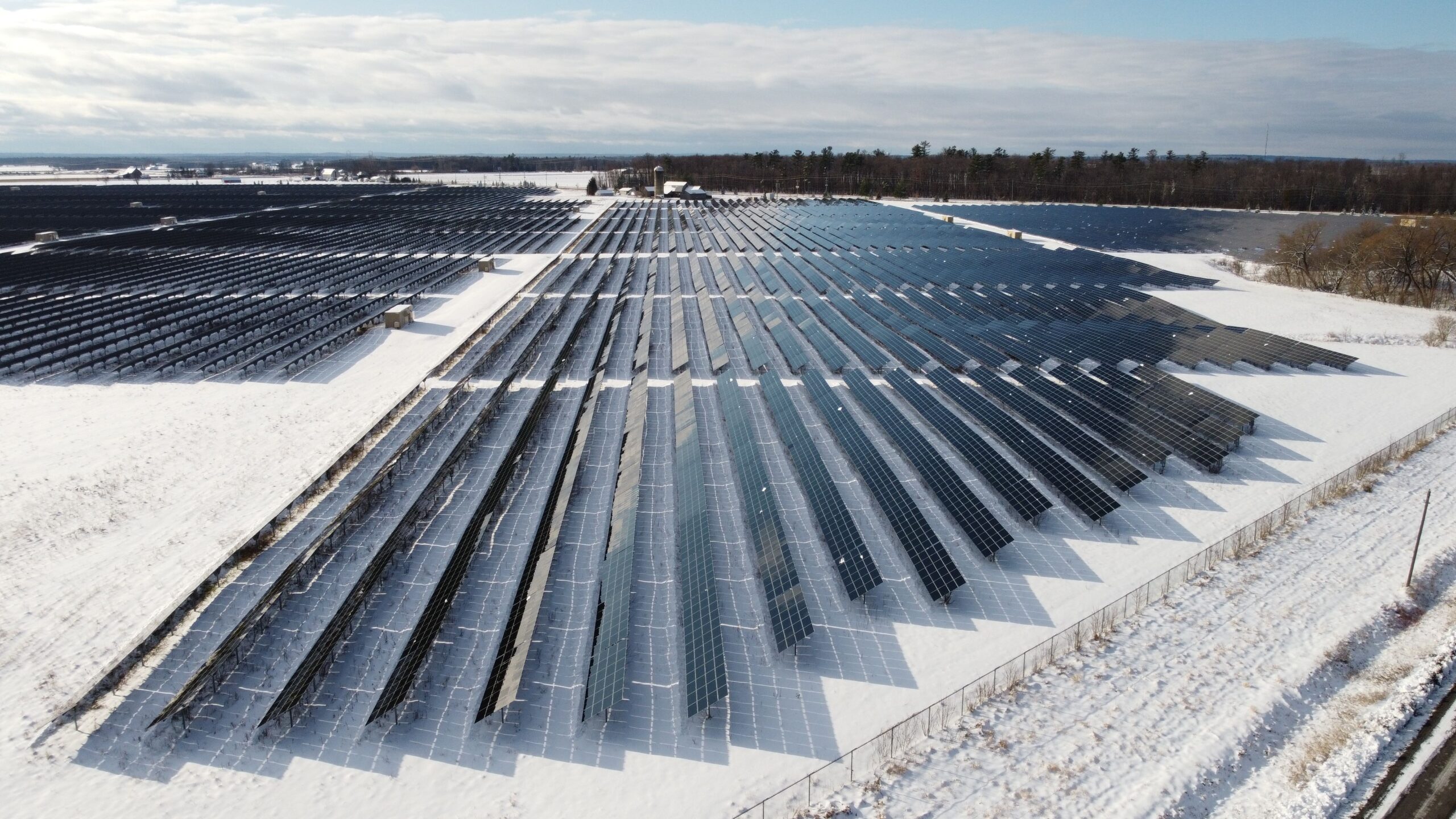
The system at Qinling combines several energy sources instead of relying on just one. Solar panels and wind turbines generate electricity when conditions are good. During long summer days, extra electricity is used to produce hydrogen from seawater. The hydrogen is stored and later used in fuel cells when there is little sunlight or wind. Batteries also help store energy for short-term use.
This approach is designed for Antarctica’s unique conditions. The station experiences months of continuous daylight in summer and complete darkness in winter. The combination of solar, wind, hydrogen, and battery storage helps provide a more stable power supply throughout the year. The project still faces challenges.
Extreme cold, strong winds, heavy snow, and powerful ultraviolet light can damage equipment. Every replacement part must also be shipped or flown to Antarctica. Researchers are testing new wind turbines, solar panels, and other equipment in special laboratories that recreate Antarctic conditions before installing them in the field.
WATCH ALSO: https://modernmechanics24.com/post/iceye-expands-europe-space-power/
The project matters because it shows how renewable energy systems can work in one of the toughest environments on Earth. If successful, the technology could improve clean energy systems for future polar research stations and other remote locations where diesel has long been the main power source.