Researchers have developed a new clay-based material that helps slow the ripening of fruits and vegetables.
The material absorbs ethylene gas, a natural plant hormone that accelerates ripening. The discovery offers a new way to reduce food waste during transportation and storage.
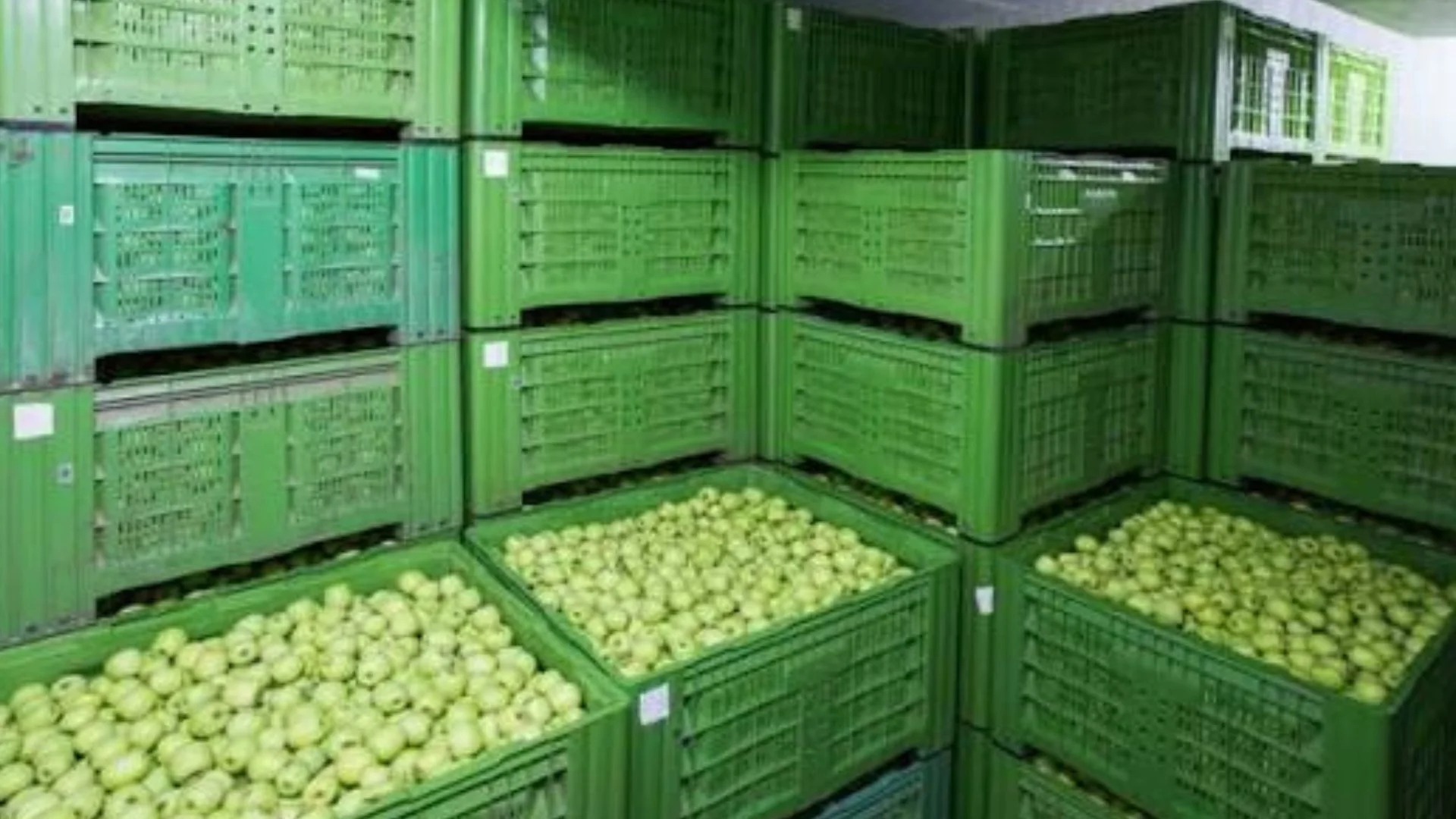
Every year, large amounts of fresh produce travel thousands of kilometers before reaching consumers. Bananas from Costa Rica, avocados from Chile, mangoes from Brazil, and tomatoes from Spain often spend days or weeks in shipping containers. During this journey, many fruits and vegetables spoil before arriving at stores.
One of the biggest reasons for these losses is ethylene gas. Many fruits and vegetables naturally release this gas as they mature. When produce is stored in enclosed spaces, ethylene levels build up, causing faster ripening.
As ripening speeds up, the risk of spoilage increases. This creates major challenges for food suppliers, retailers, and farmers. It also contributes to the growing global problem of food waste.
How Scientists Modified Ordinary Clay
The new research was led by scientists at the University of Copenhagen. The team explored whether clay could be redesigned to capture ethylene before it accumulated around fresh produce. Their findings were published in the journal Applied Surface Science Advances.
Clay attracted the researchers because it is widely available and inexpensive. It is also non-toxic and naturally occurring. These qualities make it suitable for use in food-related applications.
READ ALSO: Laser Pulses Set Metals Vibrating 1 Trillion Times a Second, Reveal Electron Motion
The scientists first tested clay in its natural form. They found that it absorbed only a small amount of ethylene gas. This limited performance showed that changes were needed to improve its effectiveness.
The team then used a mild chemical treatment to alter the clay’s internal structure. This process increased the number of tiny spaces inside the material. The added space allowed the clay to trap more ethylene and retain it for longer.
Researchers said the modified clay performed far better than untreated clay. Importantly, the material remained non-toxic after the treatment process. This makes it safer for potential use around food products.
Associate Professor Heloisa Bordallo from the Niels Bohr Institute led the research effort. She explained that the team combined chemistry and physics to improve the clay’s ability to capture ethylene. The researchers also gained a better understanding of how the gas interacts with the material.
According to the team, previous studies had not achieved this level of ethylene absorption using clay. The new findings provide important information for future commercial development. Scientists can now better control and optimize the process.
A New Approach to Food Packaging
Researchers envision the material being used in food packaging systems. Small packets or pads filled with powdered clay could be placed alongside fruits and vegetables during shipping. The idea is similar to silica gel packets commonly used to absorb moisture in consumer products.
By removing ethylene from the surrounding air, the clay helps slow ripening. This can extend the shelf life of produce during transport. It can also help reduce losses throughout the supply chain.
The research team is continuing to refine the technology. Scientists are working to improve both performance and environmental sustainability. They are also testing ways to increase the amount of ethylene the clay can capture.
Future studies will focus on real-world packaging applications. Researchers plan to test the material with actual fruits and vegetables under storage conditions. Successful trials could support commercial adoption in the food industry.
READ ALSO: AIRO Unveils RQ-70 ISR Drone at Eurosatory 2026 With 100 km Range and 8-Hour Endurance
Why This Matters
The technology offers benefits beyond reducing waste. Many fruits are harvested before reaching full maturity because producers need enough time to transport them safely. Early harvesting often affects flavor, texture, and aroma.
Even after harvest, when fruits continue to ripen, some natural developmental processes remain incomplete. As a result, consumers may receive produce that looks ripe but lacks its best taste. Slowing the effects of ethylene could help address this issue.
If fruits can remain fresh for longer during transport, growers may be able to harvest them later. This allows more time for natural flavor development on the plant. Consumers could eventually enjoy better-tasting fruits while waste levels decline.
WATCH ALSO: Poland and Portugal Gain New Space Capabilities After ICEYE Launch
The impact may be especially important as global food demand continues to rise. According to international food organizations, reducing post-harvest losses is one of the fastest ways to improve food availability without increasing agricultural production. Technologies that preserve freshness are receiving growing attention worldwide.
Researchers also believe the findings extend beyond food storage. The same principles could be useful in other industries that require materials capable of capturing and storing gases. This opens additional opportunities for future research and innovation.
For now, the focus remains on bringing the clay technology into practical packaging solutions. If future testing is successful, the simple material found in soils worldwide could become an important tool for reducing food waste and improving the quality of fresh produce reaching consumers.