Jaybelle Pranada, a Ph.D. student at Texas A&M University, recently presented her research on cold battery technology at the Catalyzing Energy Education and Excellence (C3E) Symposium at Arizona State University.
The event highlights student-led energy projects from across the US. Her project focused on developing battery technologies designed to maintain performance and efficiency in extremely cold environments.
The symposium is supported by the US Department of Energy. It aims to showcase innovative solutions to real-world energy challenges. This year, nearly 100 projects were submitted for consideration.
Only around 30 projects were selected to be presented at the event. Pranada’s work ranked among the top five projects. The recognition placed her research among the most highly regarded student energy studies in the country.
Pranada attended the symposium as part of an aerospace research group. Her presentation examined alternative battery chemistries that can maintain efficiency when temperatures drop far below freezing. Such capabilities are becoming important in advanced technology sectors.
She said the event expanded her understanding of the energy industry. Beyond scientific research, she learned about the importance of policy, safety, reliability, cost, and deployment. These factors all influence how energy technologies reach the market.
Why Cold Battery Tech Matters
Traditional lithium-ion batteries power many everyday devices. They are used in smartphones, laptops, electric vehicles, and countless other products. However, these batteries face significant challenges when exposed to extreme temperatures.
Battery performance often declines when temperatures fall below 0 °C. High temperatures can also affect efficiency and safety. These limitations create challenges for industries that require dependable power under harsh conditions.
Space exploration is one of the most demanding applications. Spacecraft, satellites, and planetary rovers often operate in environments where temperatures fluctuate dramatically. Reliable energy storage is essential to keep these systems functioning.
READ ALSO: Octopus-Inspired Robotic Arm Uses Smart Suction Cups for Underwater Grasping
The problem stems from the chemical reactions inside lithium-ion batteries. As temperatures drop, these reactions slow down significantly. Eventually, the battery may struggle to store or release energy effectively.
For missions beyond Earth, this issue becomes even more serious. Deep-space environments expose equipment to prolonged periods of extreme cold. Engineers, therefore, need battery technologies that can continue to operate under such conditions.
Alternative Battery Chemistry
Pranada’s research focuses on computational modeling rather than on building physical batteries. These computer-based models help researchers explore new battery materials and designs. The goal is to identify options that outperform conventional lithium-ion systems in cold environments.
The study examines both organic and inorganic energy-storage systems. Researchers analyze how different materials behave under various temperature conditions. This approach helps them understand strengths, weaknesses, and areas for improvement.
One promising area involves polymeric batteries. These batteries use specially designed synthetic materials instead of relying entirely on traditional battery components. Researchers believe these materials can remain functional at temperatures as low as -50 degrees Celsius.
To evaluate performance, researchers examined how materials respond across a wide temperature range. The testing conditions reflected environments from extremely cold northern climates to some of the hottest regions in the US. This allowed the team to study how the batteries handle diverse operating conditions.
READ ALSO: UK and Japan Join Forces With Rolls-Royce to Speed Up Advanced Nuclear Reactor Plans
The original motivation for the research came from aerospace challenges. Engineers need energy systems that can survive harsh thermal conditions during space missions. Developing batteries that remain reliable in extreme cold is therefore a key objective.
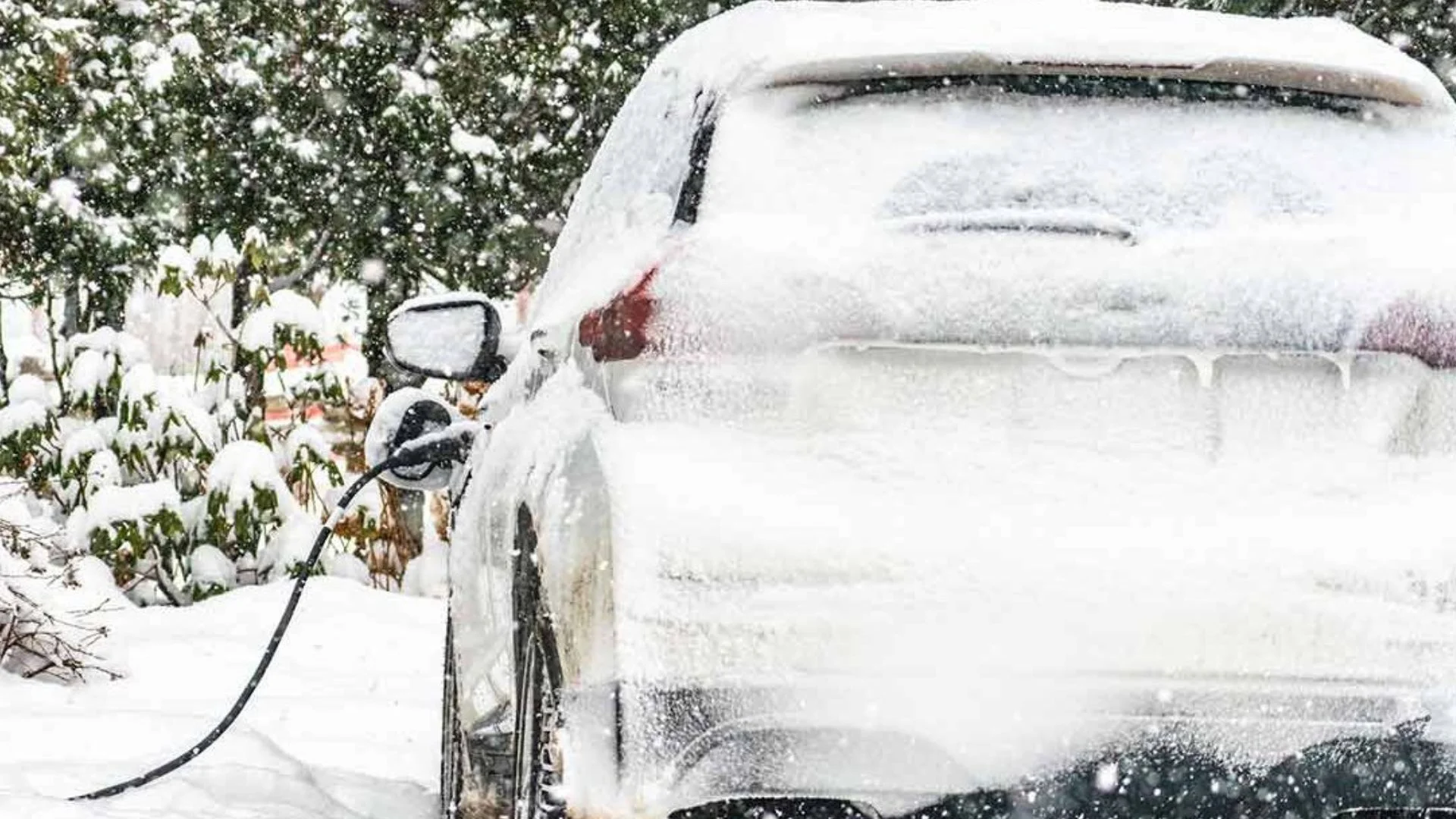
The potential benefits extend far beyond space exploration. Electric vehicles operating in cold regions often experience reduced battery performance. Improved low-temperature batteries could help maintain efficiency and reliability for drivers during winter conditions.
Defense systems also require dependable power in difficult environments. Remote equipment and vehicles often operate in extreme weather conditions. Better battery technology can improve operational readiness and reduce performance risks.
Pranada said she was inspired by the opportunity to contribute to technologies that support everyday life. Modern society depends heavily on energy storage systems. Advances in battery technology influence everything from consumer electronics to transportation and major infrastructure.
WATCH ALSO: Tesla’s Optimus humanoid robot steals spotlight at ‘Tron: Ares’ premiere
The research also highlights a broader trend in the energy sector. Scientists are increasingly searching for alternatives to conventional battery designs. Finding materials that perform better under challenging conditions is becoming a major priority worldwide.
As demand for advanced energy storage grows, studies like Pranada’s are helping shape future battery development. The findings could support next-generation spacecraft, electric vehicles, and other technologies that require reliable power in extreme environments.