Australian researchers have built the world’s first quantum battery that completes a full energy cycle from charge to discharge.
The device, created by CSIRO with help from RMIT University and the University of Melbourne, charges faster when more cells are added — the opposite of how normal batteries work. It solves a key problem: traditional batteries slow down as they grow larger.
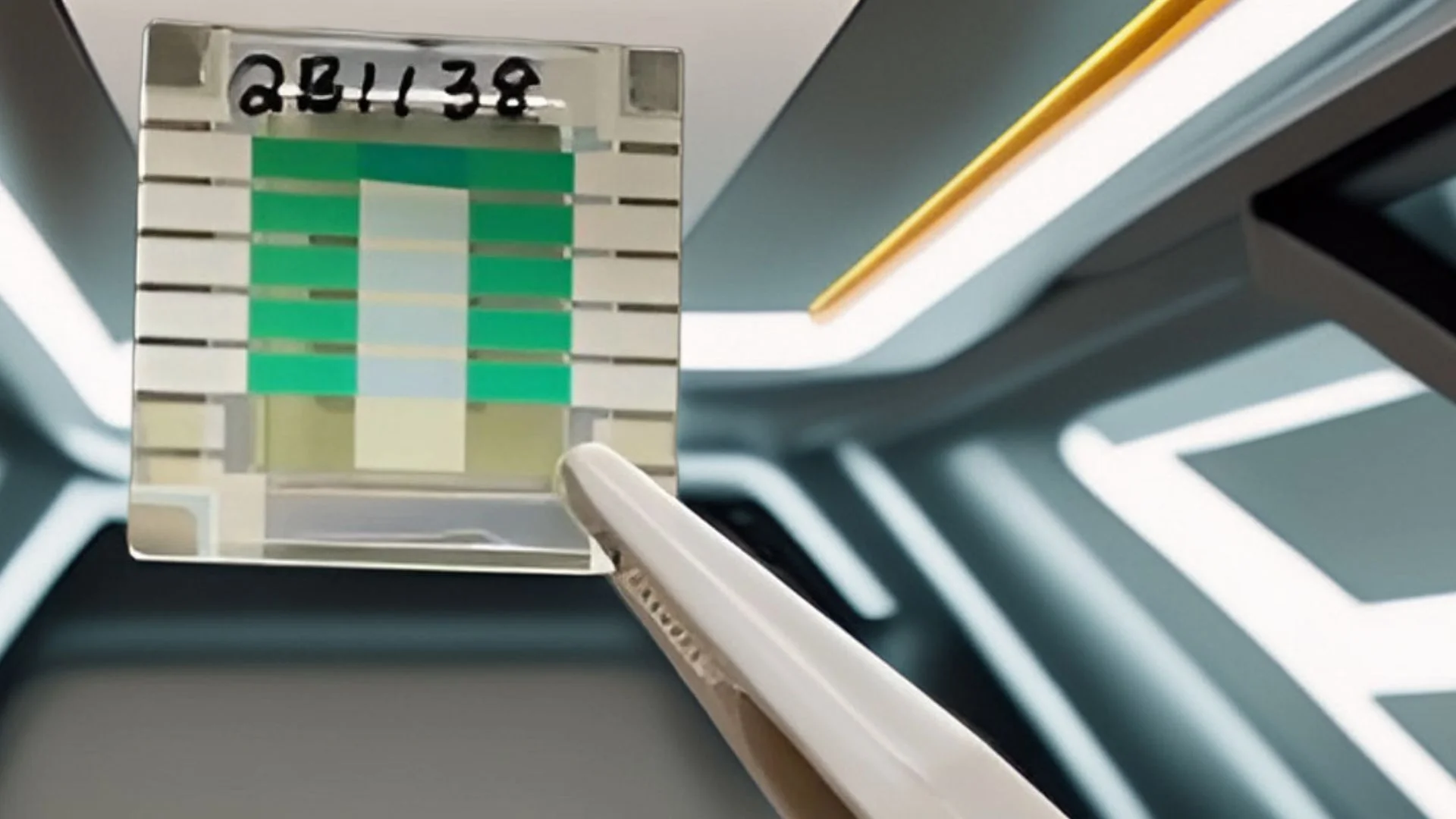
The news is a working quantum battery prototype that absorbs energy wirelessly from a laser. Unlike chemical batteries, this system uses quantum effects to allow all its parts to charge simultaneously. The more cells you add, the faster the whole thing fills up.
Dr. James Quach led the research at CSIRO, working with colleagues at RMIT and the University of Melbourne. The team shaped the battery as a multi-layered organic microcavity. They sent a laser beam across open space to add energy without wires.
READ ALSO: Plasma Rotation Solves Tokamak Exhaust Mystery, Boosting Fusion Reactor Reliability
Normal batteries rely on chemical reactions. As they get bigger to store more energy, they take longer to charge. This limits the use of electric cars and grid storage. Quantum batteries work in reverse: larger size means faster charging.
The device uses quantum magic. Its components communicate with each other so that all of them absorb the laser light simultaneously. Tests show the battery charges in femtoseconds (quadrillionths of a second). It stores energy for about one to two nanoseconds – roughly a million times longer than the charging time. The entire setup operates at room temperature, which is unusual yet practical for quantum devices.
This could one day allow electric cars to charge as quickly as a gas pump stop. Drones could remain airborne while a laser recharges them from afar. Small electronics might run on short bursts of energy without plugging in.
But major limits remain. The prototype stores only a few billion electron volts of energy. That is about 1/200,000th of the energy of a flying mosquito. The storage time is still just nanoseconds — far too short for any real product. Dr. Quach’s team admits the capacity is tiny and commercial use is far off.
WATCH ALSO: India’s DRDO successfully completes user evaluation trials of Akash-NG Missile System
The team proved a fundamental quantum phenomenon works: bigger batteries charge faster. The next goal is to extend storage time. If successful, this could rewrite how we think about power delivery. Every step forward opens new possibilities for energy on completely new timescales.