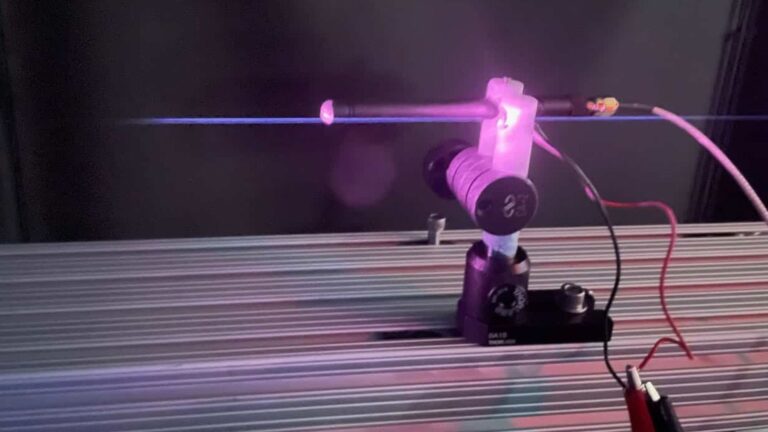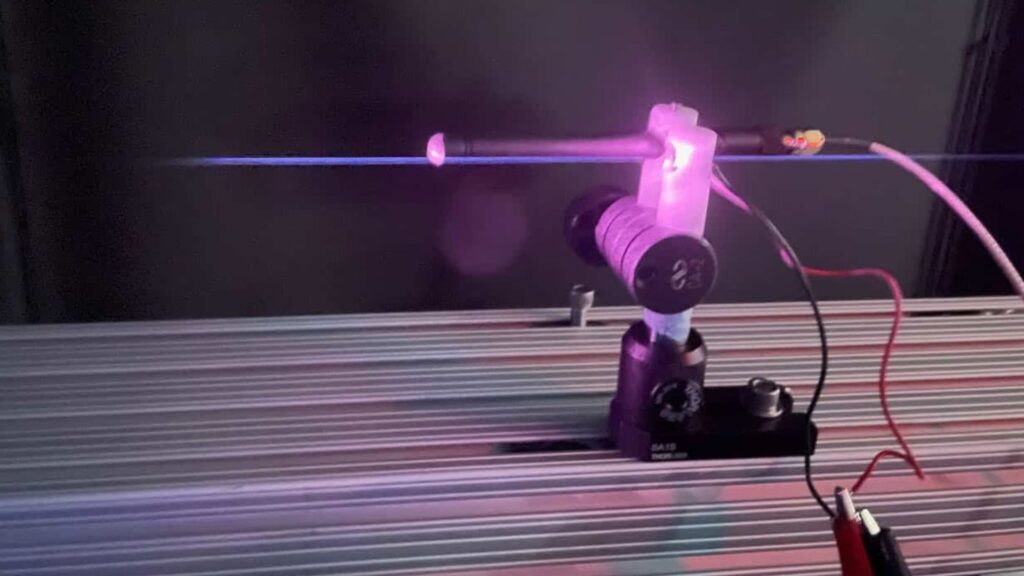
MIT engineers have developed a new soft, flexible gel that can switch from an insulator to a highly conductive material when exposed to light.
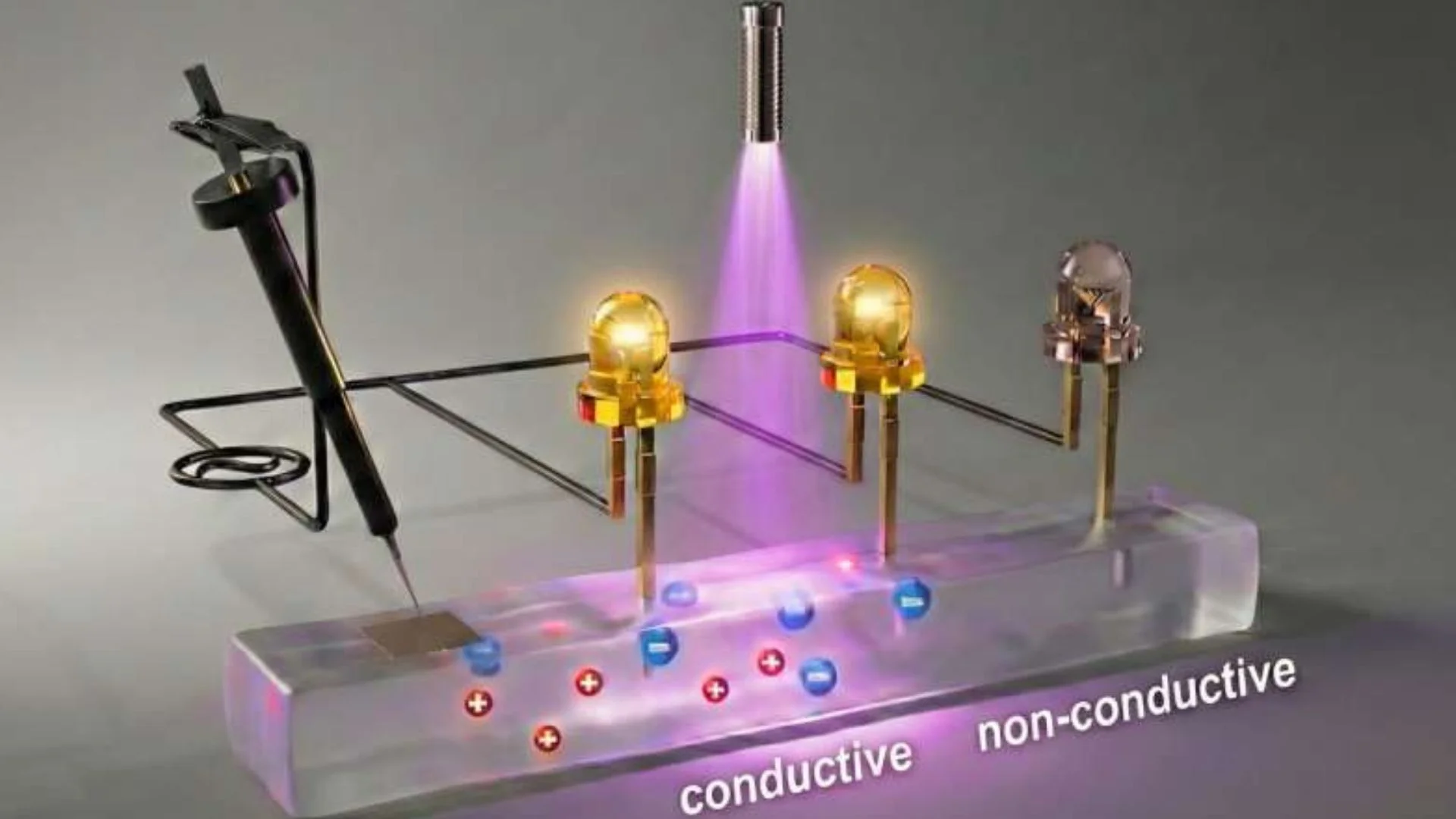
The change is dramatic, increasing the material’s ability to conduct ions by 400 times.
The news comes from a team at MIT, led by Thomas J. Wallin, the John F. Elliott Career Development Professor in the Department of Materials Science and Engineering. The team’s findings were published in the journal Nature Communications.
READ ALSO: A Shift in Space Exploration: Smart Robots Start Deciding Paths on Mars and Moon
This technology solves a key problem in ionotronics. While electronics use electrons to send data, ionotronics uses ions (charged molecules), which is how our own bodies communicate. To bridge soft biological tissues and hard electronics, we need soft materials that can control ion movement.
The material works by incorporating a special compound, a photo-ion generator (PIG), into polyurethane rubber. When light hits the gel, the PIG triggers a reaction that causes ions to move freely, instantly turning the soft material into a powerful conductor.
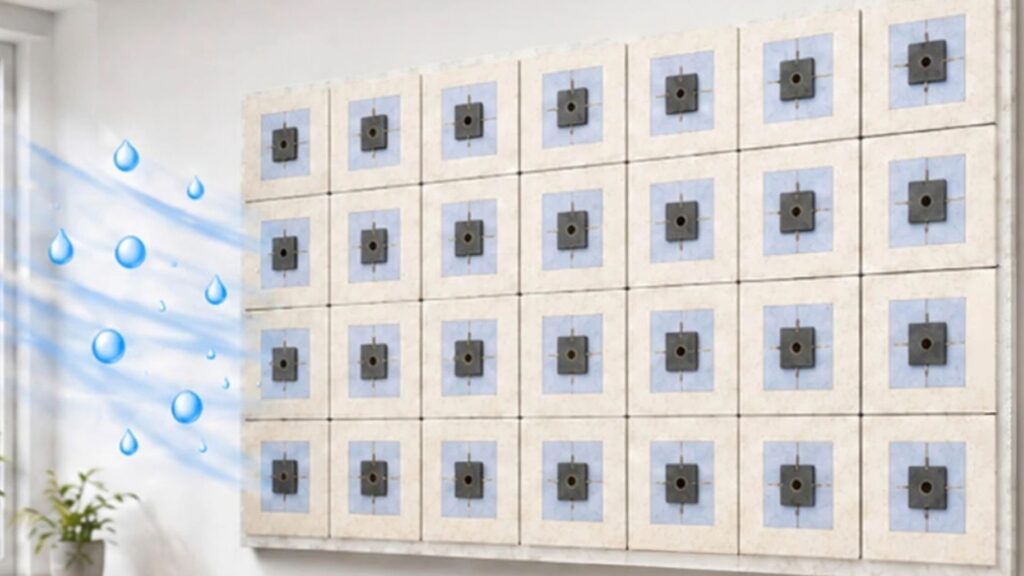
This breakthrough could lead to new types of soft machines. Potential uses include soft wearable technology that feels like skin, better human-machine interfaces, and more advanced soft robotics that can react to their environment.
WATCH ALSO: BYD SEAL Delivers Lightning-Fast Acceleration for Effortlessly Smooth Drives
Currently, the change in conductivity is irreversible. Once the gel is activated by light, it stays conductive. However, the researchers are confident that future versions can be designed to switch between states.
This work opens a new subfield, “soft photo-ionotronics.” By demonstrating that light can control conductivity so powerfully, the team believes the same principle could be applied to other stimuli, such as heat or magnetism, leading to self-adaptive systems that feel almost alive.