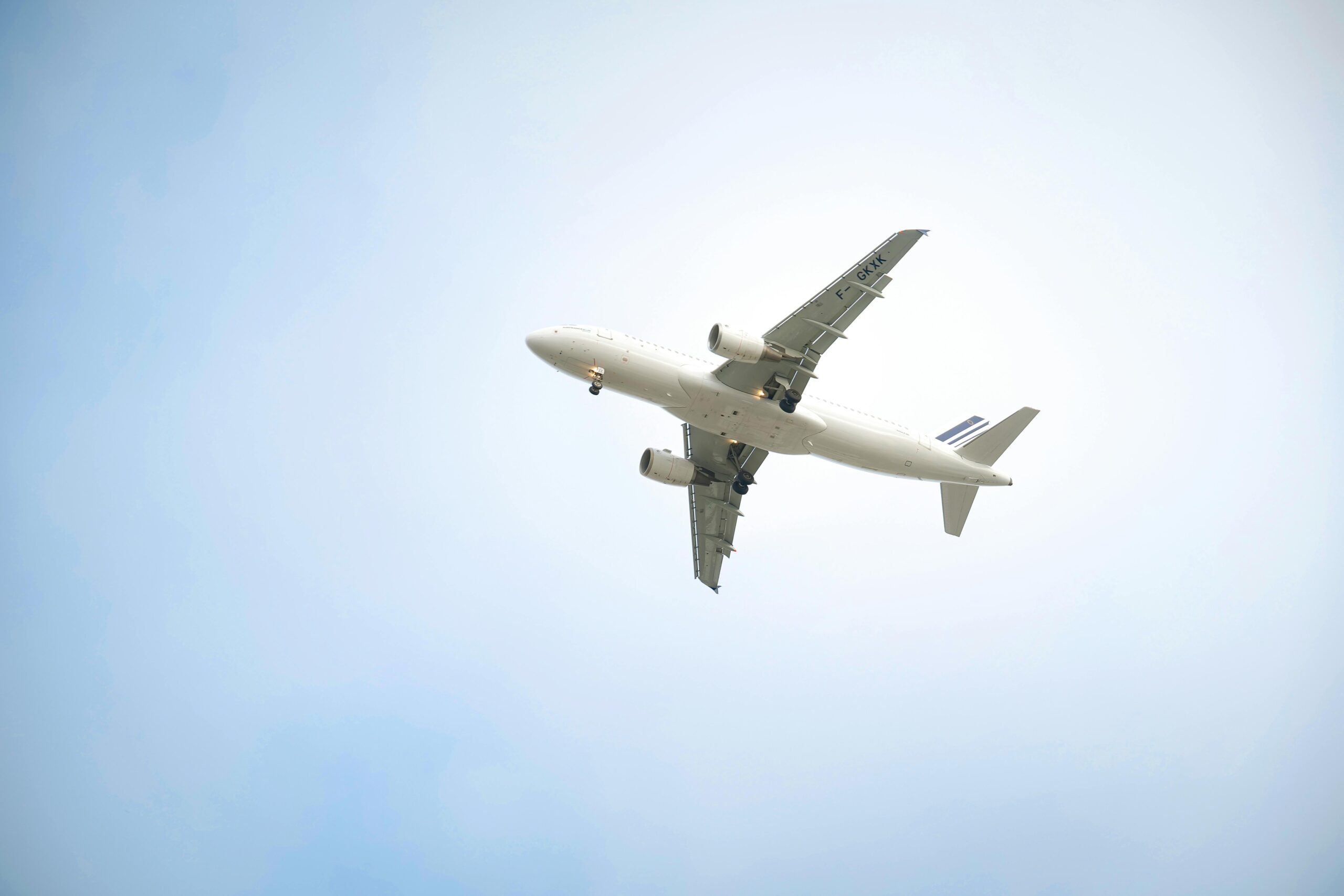
Italian investigators from ANSV have concluded that a LATAM Airlines Boeing 777-300ER crew’s mental 100-tonne weight miscalculation led directly to a dramatic tail-strike and take-off performance failure at Milan Malpensa Airport. The error resulted in incorrect thrust settings and V-speeds 30 knots too slow, forcing the heavily damaged jet to return after an emergency fuel dump.
In the meticulously engineered world of modern aviation, where redundancy is sacred, a chain of failures can sometimes begin with a single, startlingly simple human error. A final investigation report into a serious 2024 incident at Milan Malpensa Airport reveals exactly that: a mental arithmetic mistake that nearly turned catastrophe into tragedy.
The flight was LATAM’s service to São Paulo, operated by a Boeing 777-300ER registered PT-MUG. In the cockpit were three pilots: a captain undergoing training, a line-training captain supervising him, and a cruise captain. About ten minutes before pushback, they received the final loadsheet with the aircraft’s correct weights. The sequence that followed, as detailed by Italy’s National Flight Safety Agency (ANSV), is a textbook case of procedural breakdown.
READ ALSO: https://modernmechanics24.com/post/batteries-from-rust-iron-oxide-carbon/
This investigation tackles a critical, evergreen problem in aviation safety: ensuring accurate take-off performance data to prevent runway overruns, tail-strikes, or loss of control during the most critical phase of flight—take-off.
A flight crew’s core task before departure is to calculate precise take-off parameters. Using the aircraft’s zero-fuel weight and the take-off fuel, they determine the gross take-off weight. This number is then input into an electronic flight bag (EFB) performance tool to generate vital data: the correct V-speeds (like rotation speed) and the required engine thrust setting, often expressed as an assumed temperature for derate. These figures ensure the aircraft has enough runway to safely accelerate, rotate, and climb.
On this day, the line-training captain made a critical error. While trying to account for taxi fuel, he mentally subtracted from a displayed figure and announced a gross take-off weight of 228.8 tonnes. The correct figure was 328.4 tonnes—a 100-tonne underestimation. Both pilots then used this voiced, incorrect number in their separate EFBs.
WATCH ALSO: https://modernmechanics24.com/post/swiss-robot-brain-autonomy/
The investigation highlights a profound limitation in even the most high-tech cockpits: the fragility of cross-checking when both parties use the same erroneous source data. Because both pilots entered the same wrong weight, their EFBs returned matching—but dangerously incorrect—performance figures. The subsequent cross-check between their tablets was useless, as it only confirmed their shared error, not the truth.
The safety protocols and training procedures designed to prevent such errors are the responsibility of the airline, LATAM, and its training department. The ANSV investigators, led by a team of aviation safety experts and human factors specialists, engineered the detailed forensic analysis that pieced together the causal chain from the cockpit voice and flight data recorders.
With the wrong weight entered, the calculated V-speeds were far too low: 145 knots for V1 and 149 knots for rotation, versus the correct 172kt and 181kt. When the crew tried to enter these parameters into the aircraft’s Flight Management Computer (FMC), it could not compute a valid take-off solution for the available runway length, flashing a “V-speeds unavailable” warning. The crew discussed the warning but, critically, did not resolve it.
READ ALSO: https://modernmechanics24.com/post/frog-gut-bacterium-cures-cancer-tumors/
The ultimate value of this investigation is its stark reminder that technology is only as strong as the human procedures governing it. It underscores the non-negotiable need for independent data sourcing during cross-verification and the imperative to treat unresolved system warnings as absolute show-stoppers.
When the aircraft began its take-off roll, it was doomed to underperform. The engines, set to a thrust based on the wrong weight, were underpowered. At 150 knots, the trainee pilot began rotation, well below the proper speed. The jet struggled to climb. Its tail-scrape protector activated, but four seconds later, the 777’s tail struck the runway at a 8.3-degree nose-up attitude.
“The aircraft was not responding to the take-off input,” the report states. Aborting was impossible as they were past the erroneous (and too-low) decision speed. It was the cruise captain, with more cognitive bandwidth, who intervened, commanding full take-off thrust. The jet finally lumbered into the air, 800 meters from the runway’s end.
WATCH ALSO: https://modernmechanics24.com/post/humanoid-robots-no-human-control/
After declaring an emergency and dumping 72 tonnes of fuel, the aircraft landed safely. Damage was extensive—to the tail-skid, drain mast, and APU fire system—leading ANSV to reclassify the event as an accident. The aircraft was out of service for seven months.
The report, as published by ANSV, serves as a crucial case study for airlines worldwide. It’s a story not of malicious failure, but of a perfectly lined-up sequence of small, understandable mistakes that technology alone could not catch. In the end, it reaffirms that the most vital safety system is a vigilant, questioning, and procedure-adhering human mind.