Researchers at Fujian University of Technology in Fuzhou have developed China’s first humanoid diagnostic robot designed specifically for autism therapy, integrating non-invasive brain-computer interface (BCI) technology to read neural signals in real time. Led by Professor Wu Yang, the system aims to transform early screening and personalized rehabilitation for autistic individuals through interactive AI and adaptive emotional engagement.
For families navigating an autism diagnosis, the path can be isolating and fraught with delays. Early intervention is critical, yet access to specialized clinicians and consistent therapy remains a challenge worldwide. In Fuzhou, a team of engineers and neuroscientists believe a carefully designed machine could become a bridge.
This humanoid robot addresses a core, heart-wrenching problem: the long wait times and subjective variability in autism diagnosis and early-stage therapy, which can delay crucial support during a child’s most formative years.
READ ALSO: https://modernmechanics24.com/post/nvidia-alpamayo-ai-for-self-driving-car/
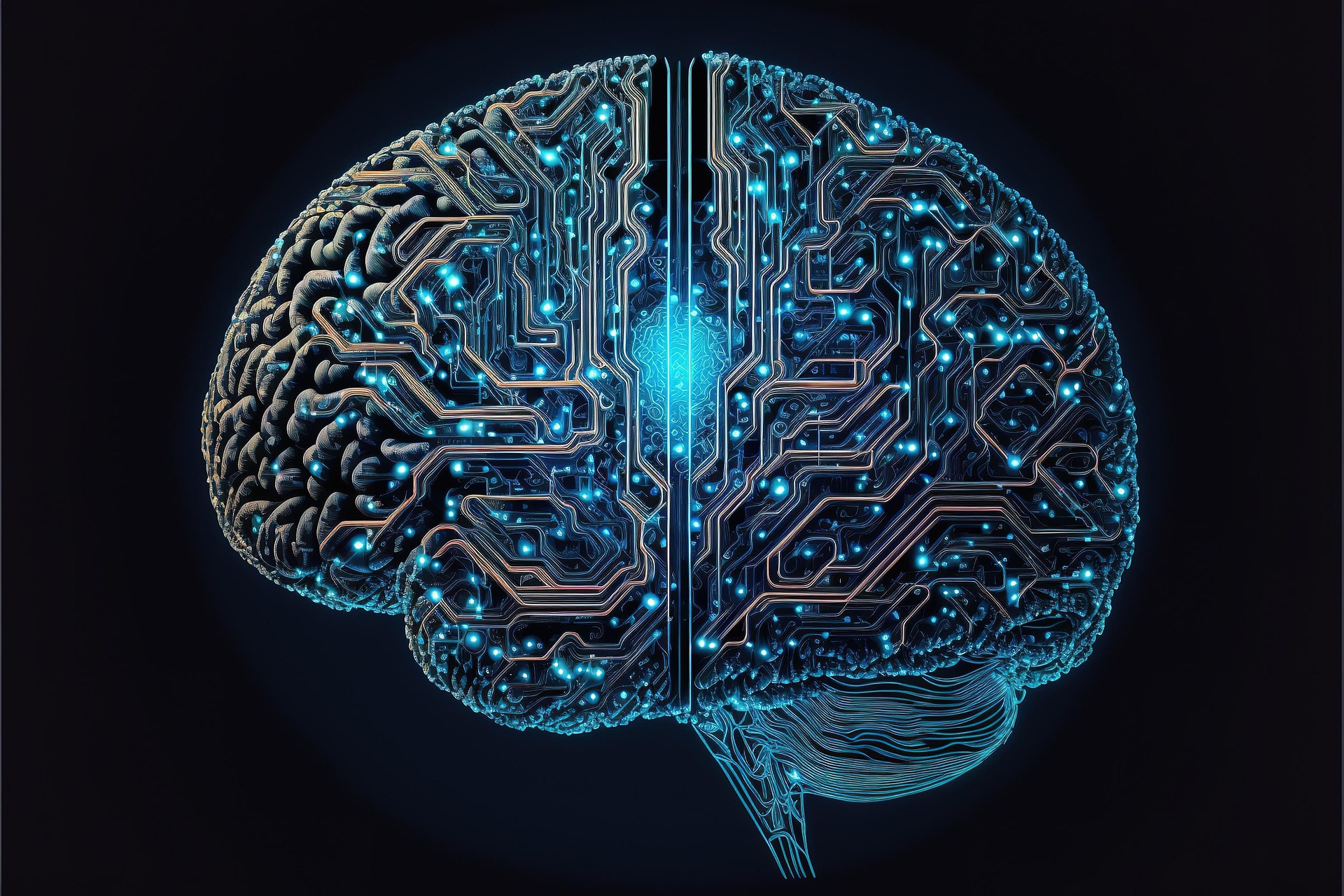
Walking into the room, the robot doesn’t look like cold, industrial machinery. Its proportions and movements are intentionally human-like, designed to be approachable yet not uncanny. Its most significant innovation lies beneath the surface—a non-invasive brain-computer interface that allows it to monitor a child’s neural activity during interactions.
In practice, the robot conducts structured interactive sessions. It can guide a child through social-emotional games, recognize patterns in speech and eye contact, and simultaneously analyze electroencephalogram (EEG) data from its BCI headset. This dual-layer analysis—behavioral and neurological—helps create a more objective assessment profile and allows the robot to adapt its responses in real time to keep the child engaged and regulated.
The vision for this therapeutic tool was driven by Professor Wu Yang, head of the AI Research Institute at Fujian University of Technology. The engineering marvel—integrating robotics, AI emotion recognition, and safe BCI hardware—was built by a cross-disciplinary team of software engineers, neuroscientists, and child development specialists at the university’s lab.
WATCH ALSO: https://modernmechanics24.com/post/ehang-next-gen-evtol-first-public-flight/
The potential is vast. The robot can tirelessly deliver standardized, repeatable therapy modules, collecting consistent data over time to track a child’s progress. For overburdened healthcare systems and families in remote areas, such a tool could provide a level of diagnostic support and daily therapeutic interaction previously unavailable.
However, a major current boundary is cost and accessibility. As a first-of-its-kind prototype integrating advanced robotics and medical-grade BCI, the system is expensive. Widespread deployment in clinics, let alone homes, will require significant cost reduction and rigorous, long-term clinical trials to prove its efficacy compared to human-led therapy.
The ultimate value of this invention isn’t about replacing therapists. It’s about augmentation and access. By offering a scalable, objective tool for early screening and supplemental therapy, it could help identify children earlier, provide richer data to human specialists, and deliver consistent practice for social skills—freeing up clinicians to focus on higher-level care and complex emotional guidance.
READ ALSO: https://modernmechanics24.com/post/egypt-aoi-unveils-hamza-3-drone-rocket/
Professor Wu’s team is now focused on refining the AI’s emotional intelligence algorithms and expanding its library of therapeutic interactions. They envision a future where such robots are common tools in diagnostic centers and special-needs schools, serving as engaging, patient companions that help demystify the therapeutic process for the child.
The work, as reported by China Science Daily, represents a meaningful convergence of compassion and technology. It acknowledges that the future of special-needs care may not be purely human or purely machine, but a thoughtful partnership where technology handles consistency and data, and humans provide the irreplaceable warmth and deep connection.