The Super Bowl has always been more than just a football championship. This is the event where brands fight for attention with their most creative, expensive, and talked-about advertisements.
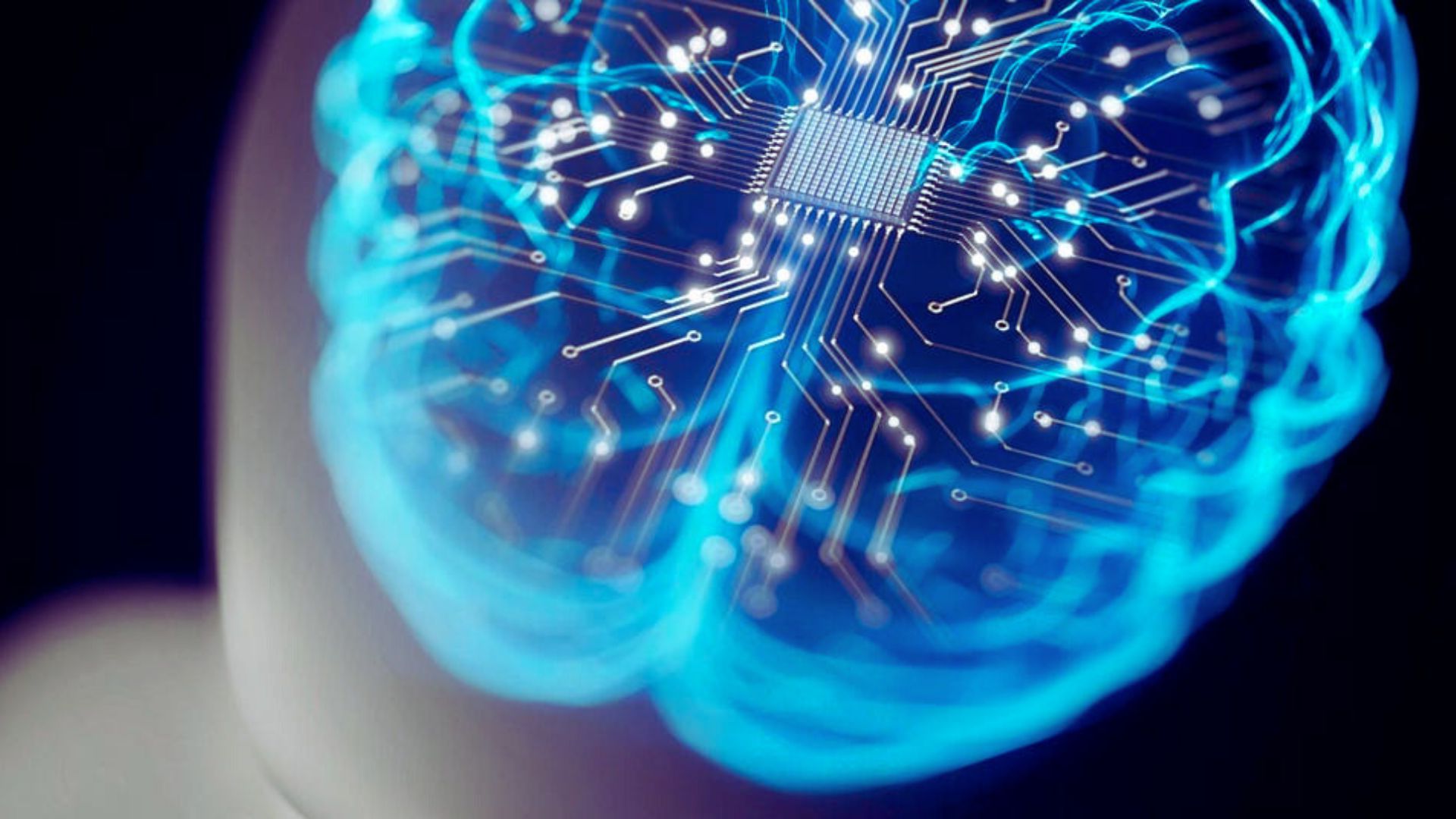
In 2026, however, one theme clearly dominated the commercial breaks, i.e., Artificial Intelligence.
From OpenAI and Google to Amazon, Anthropic, and a brand-new platform called AI.com, the Super Bowl became a global stage for AI companies to shape how the public sees this rapidly evolving technology. The result was a mix of emotional storytelling, viral website crashes, bold claims about AGI, and even a high-profile misinformation hoax.
READ ALSO: https://modernmechanics24.com/post/taking-heat-out-chemical-separations/
Big Tech to Humanise AI
For years, AI has been viewed as mysterious, intimidating, and even threatening. Concerns about job losses, surveillance, and the replacement of human creativity by machines have shaped public debate. During Super Bowl LX, tech companies made a clear effort to change that narrative.
OpenAI’s 60-second commercial focused not on machines, but on human hands. The ad showed people reading, sketching, designing, asking questions, and guiding robotic arms. The closing line — “You Can Just Build Things” — highlighted Codex, OpenAI’s tool that helps users develop software using simple instructions.
According to OpenAI’s Chief Marketing Officer Kate Rouch, the goal was to make people the heroes of the story. She explained that the ad was shot with real people, using real tools. It aims to show that AI exists to extend human potential, not replace it. Local versions of the commercial aired in major US cities, including New York, Los Angeles, San Francisco, Chicago, and Dallas, reinforcing the message at a community level.
This human-first approach reflects a larger shift in AI marketing; moving away from fear and complexity toward empowerment and accessibility.
WATCH ALSO: https://modernmechanics24.com/post/cartoon-robot-learns-kitchen-chores-2/
Super Bowl Matters to AI Companies
The Super Bowl remains one of the few media events that draws a massive and diverse crowd. For AI firms competing in a crowded and fast-moving market, the event offers something rare: instant nationwide visibility.
Anthropic, the company behind the AI assistant Claude, found through consumer research that most users have not yet committed to a single AI platform. People are still exploring what AI can do, and brand loyalty is low. This makes the Super Bowl an ideal battleground to influence first impressions.
Anthropic’s own Super Bowl ad took a subtle jab at competitors by declaring, “Ads are coming to AI. But not to Claude.” The message was a clear response to OpenAI’s decision to introduce an ad-supported service tier, positioning Claude as a cleaner, ad-free alternative.
READ ALSO: https://modernmechanics24.com/post/china-solid-state-ev-batteries-major-step/
Tech Giants’ Familiar Faces
Storytelling and humour were used to address public fears around AI.
Amazon’s ad featured actor Chris Hemsworth imagining his Alexa+ AI assistant plotting his death using everyday household items, all set to INXS’s “The Devil Inside.” The spot playfully acknowledged anxieties about AI’s growing role in daily life while maintaining a light, entertaining tone.
Google chose a more emotional route. Its ad featured a woman and her young child using the Gemini AI interface to imagine what their new home could look like, set to Randy Newman’s “Feels Like Home.” The message was clear: AI can support imagination, creativity, and family life.
Together, these ads showed a coordinated effort by Big Tech to make AI feel less cold and more personal.
WATCH ALSO: https://modernmechanics24.com/post/startup-turns-pigeon-into-cyborg-drones/
AI.com Launch Crashes After Super Bowl Ad
While established companies focused on trust and familiarity, one newcomer stole headlines through sheer chaos.
AI.com, a newly launched AI agent platform, aired a 30-second Super Bowl ad during the fourth quarter. The commercial featured glowing orbs forming the AI.com logo, followed by the bold statement: “AGI is coming.” Viewers were urged to visit the website and reserve their personal AI handles.
The response was immediate and overwhelming. Millions rushed to the site within minutes, causing AI.com to crash under traffic pressure. Social media quickly filled with complaints about error messages and failed sign-ups.
Kris Marszalek, CEO of Crypto.com and owner of the AI.com domain, admitted on X that the traffic exceeded all expectations. The domain itself has a long history, dating back to 1993, and was reportedly purchased by Marszalek for $70 million — the most expensive domain deal ever recorded.
WATCH ALSO: https://modernmechanics24.com/post/humanoid-robot-towel-folding/
OpenAI Fake Super Bowl Ad Hoax Goes Viral
Not all Super Bowl AI buzz was organic. On the same night, a coordinated hoax spread across social media claiming OpenAI had accidentally leaked a commercial for its first hardware device.
The fake ad featured actor Alexander Skarsgård and a mysterious orb-shaped gadget. It appeared alongside fake Reddit posts, doctored headlines, and even paid promotional offers sent to tech journalists before the game.
OpenAI president Greg Brockman and spokesperson Lindsay McCallum Rémy quickly denied the claims, calling the entire story fake. Investigations revealed the Reddit account behind the “leak” was newly created, and evidence suggested real money was spent to promote the hoax.
The incident highlighted how easily misinformation can spread, especially when it aligns with existing rumours, such as the claim that OpenAI has a real partnership with designer Jony Ive on future hardware projects.
READ ALSO: https://modernmechanics24.com/post/human-embryo-invasion-china/
A Turning Point for AI
Despite crashes, hoaxes, and competition, AI has reached a major cultural moment. As Kate Rouch noted, AI is shifting from simply answering questions to acting and doing things in the real world.
The Super Bowl ads reflected this turning point. Instead of focusing on futuristic fears, companies emphasized creativity, productivity, and human connection. Whether through emotional storytelling, humour, or bold promises, AI firms used the world’s biggest advertising stage to reshape public perception.
The Super Bowl ad buzz proved that artificial intelligence is no longer just a tech industry topic. It is now a mainstream conversation. And as millions of viewers watched, clicked, crashed websites, and debated online, AI firmly claimed its place at the centre of the global spotlight.