Diesel engines are widely used on land and at sea because of their fuel-efficient capacity. Not spark plugs, but these powerful engines require only one thing: air. Diesel engines need oxygen for combustion, which immediately raises a question. If submarines operate underwater, where there is no air, how do diesel submarines actually work?
Smart engineering and a clear separation between power generation and underwater movement make it work. Diesel submarines do not rely on diesel engines while fully submerged. They just combine diesel engines, electric motors, and large battery systems to operate effectively both above and below the surface.
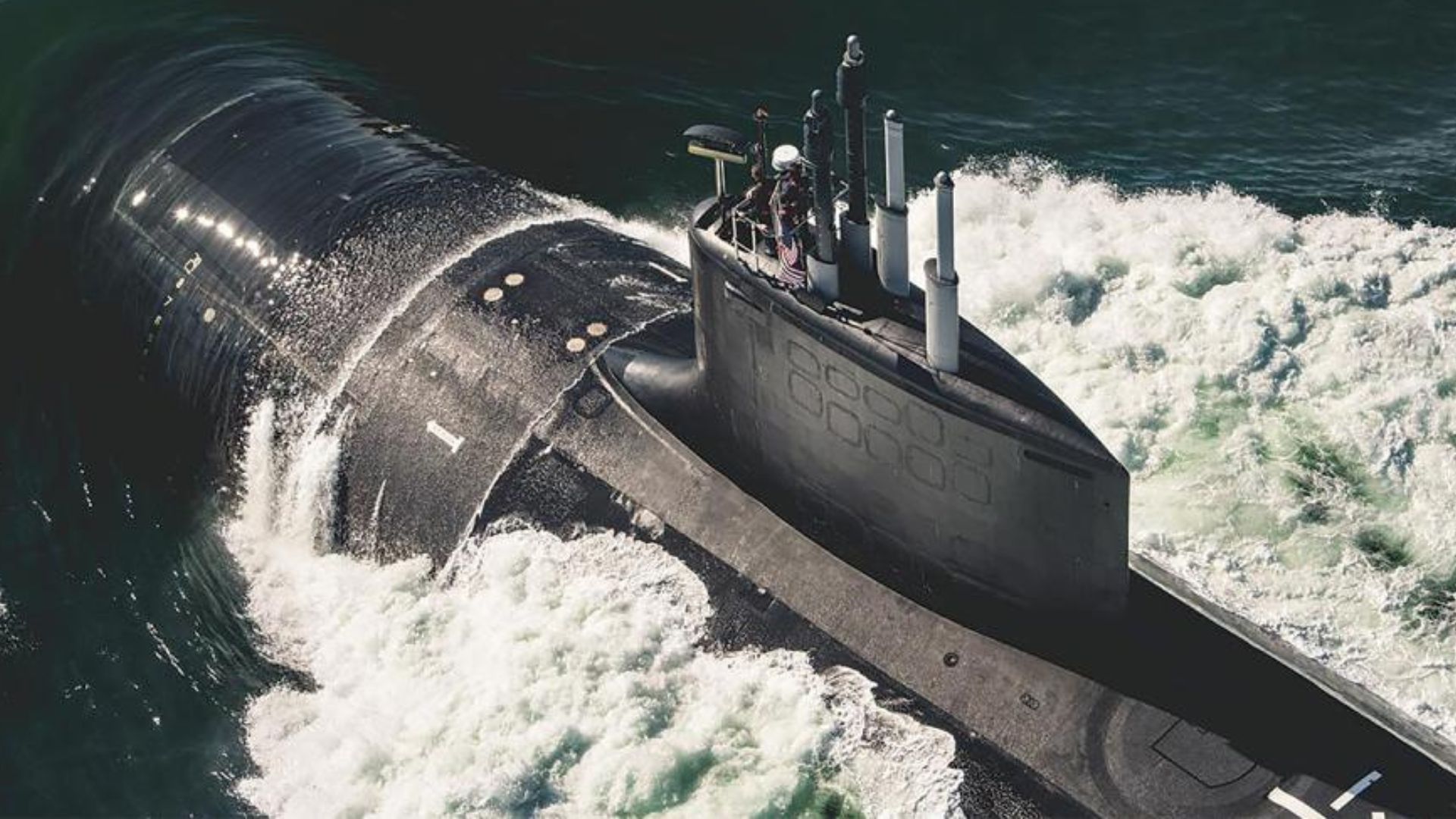
Diesel engines are used only when air is available A diesel submarine carries one or more diesel engines, but these engines are never used while the submarine is deep underwater. Diesel engines operate only when the submarine is on the surface or running just below the surface using a snorkel.
During this time, the engines serve two main purposes. Firstly, they help propel the submarine while it is surfaced. Secondly, and more importantly, they drive generators that charge large battery banks onboard.
Once the batteries are charged and the submarine dives, the diesel engines are shut down completely. After that point, the submarine depends entirely on electric power.
READ ALSO: https://modernmechanics24.com/post/laser-beams-power-drones-indefinitely/
Electric Propulsion Underwater
When submerged, a diesel submarine essentially becomes an electric vessel. Large batteries supply electricity to electric motors, which turn the propeller shafts. These motors are separate from the diesel engines and are mechanically isolated. This design reduces vibration and noise, making the submarine more difficult to detect.
Electric propulsion is extremely quiet, especially at low speeds. This is one of the biggest advantages of diesel submarines, particularly in coastal and shallow waters.
However, batteries store limited energy. This means underwater endurance depends on the submarine’s speed. Slow movement can keep the submarine submerged for days, while high-speed travel can drain batteries within hours.
Commanding officers need to keep these trade-offs in mind when planning missions. The distance to friendly bases is another important consideration, as are opportunities to surface or snorkel without attracting attention.
WATCH ALSO: https://modernmechanics24.com/post/ula-atlasv-amazon-leo-success/
Role of Surfacing and Snorkeling
To recharge batteries and refresh air supply, diesel submarines must either surface fully or operate in snorkeling mode. Snorkeling allows the submarine to remain just below the surface while extending a snorkel mast above the waterline. This mast draws in fresh air for the diesel engines and expels exhaust gases back into the atmosphere.
Snorkeling offers a balance between stealth and necessity, but it also brings risks. The snorkel mast can be detected by radar or visual surveillance. It is also structurally delicate, limiting speed and maneuverability while snorkeling. Because of this, submarines try to minimize the time spent in this mode.
Despite the risks, snorkeling is essential. It allows the submarine to recharge its batteries using large generators to convert mechanical energy from the engine to electricity without fully exposing the hull above water. This makes it a critical phase in diesel submarine operations.
READ ALSO: https://modernmechanics24.com/post/china-highest-altitude-wind-turbines/
Exhaust Management
Diesel engines require a continuous flow of air to operate smoothly. Many submarine diesel engines use a two-stroke design, which relies on a process called scavenging. In this process, fresh air enters the cylinder to push out exhaust gases, preparing it for the next combustion cycle.
Air used for combustion can come directly from outside through the snorkel or, in some cases, from the submarine’s internal air supply. Before reaching the engine, this air is filtered, silenced, and pressurized. Exhaust gases are carefully routed through pipes, valves, and mufflers before being expelled outside the hull.
When operating underwater in snorkeling mode, exhaust gases must be pushed out against the surrounding water pressure. This requires additional exhaust pressure to prevent seawater from entering the system. All these components are water-cooled and designed to operate as quietly as possible.
Submarines Often Need to Resurface
For battery recharging, diesel submarines need to resurface or snorkel. Apart from this, communication is another major factor. Radio waves do not travel well through seawater, especially at depth. As a result, submarines need to surface periodically to send and receive messages. This applies even to nuclear-powered submarines.
Human needs also play a role. Crew members require food, medical care, and rest. While submarines carry supplies for extended missions, they are not fully self-sustaining indefinitely.
Maintenance is another concern. Some mechanical systems cannot be repaired underwater and require access to surface support.
Safety regulations also require submarines to carry sufficient air, food, and power for the crew to survive for several days if surfacing becomes impossible. These requirements further reinforce the need for regular resurfacing intervals.
WATCH ALSO: https://modernmechanics24.com/post/idaho-lab-receives-nuclear-reactor-fuel/
Modern Tech-rich Diesel Submarines
Modern diesel submarines are far more advanced than their early counterparts. Improvements in engine efficiency, battery technology, and air-independent propulsion systems have significantly increased underwater endurance. Some modern submarines can remain submerged for weeks without surfacing.
When operating purely on battery power, modern diesel submarines are among the quietest naval platforms in the world. This makes them especially effective in coastal defense, surveillance, and patrol missions near shorelines.
Diesel submarines succeed by accepting certain limitations and turning them into strengths. They trade unlimited underwater endurance for lower cost, simpler design, and exceptional stealth at low speeds. By separating power generation from underwater movement, these submarines remain highly effective despite the need for air.
Summarily, diesel submarines work because they use diesel engines only when air is available and rely on electricity when silence and concealment matter most.