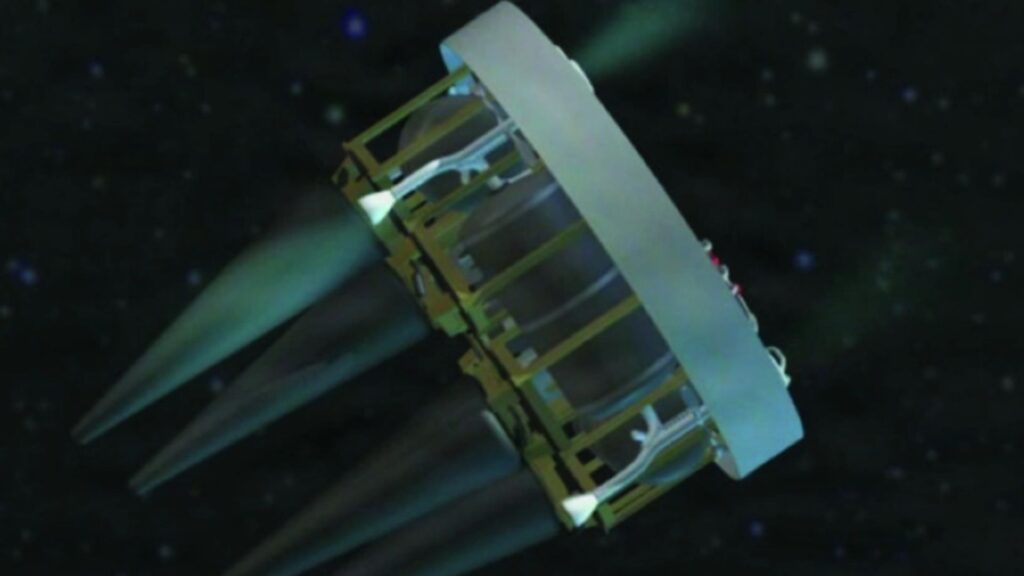
China Aerospace Science and Technology Corporation (CASC), the nation’s premier space contractor, has unveiled a five-year plan that officially enters China into the global race to build space-based data centers. Reported by CGTN, the strategy aims to create an integrated orbital computing architecture to overcome Earth’s energy and land constraints, positioning China alongside U.S. players like SpaceX and Axiom Space in the quest for off-planet digital infrastructure.
The next frontier for the world’s data might not be in a desert server farm, but in the silent vacuum of space. As the demand for artificial intelligence and cloud computing strains terrestrial resources, a new domain is opening for the tech industry: orbit. Now, China has formally signaled its intent to compete, making space-based data centers a national strategic priority.
The announcement, reported by state media CGTN, comes from the China Aerospace Science and Technology Corporation (CASC). About the product is a large-scale, strategic infrastructure project: it aims to solve the growing earthly problems of expensive energy, limited suitable land, and environmental impact for data centers by moving critical computing and storage into space. This initiative is part of a broader five-year Chinese space plan that also includes asteroid mining and space tourism.
READ ALSO: https://modernmechanics24.com/post/3dprinted-soft-robots-programmable-shape/
The basic function of these proposed orbital data centers would be to leverage the perpetual, unfiltered sunlight in space for solar power to run advanced computing hardware. CASC’s plan targets an “integrated space system architecture combining cloud, edge and terminal technologies,” which would enable data processing, storage, and transmission directly from orbit, potentially reducing latency for global services and bypassing terrestrial power grids.
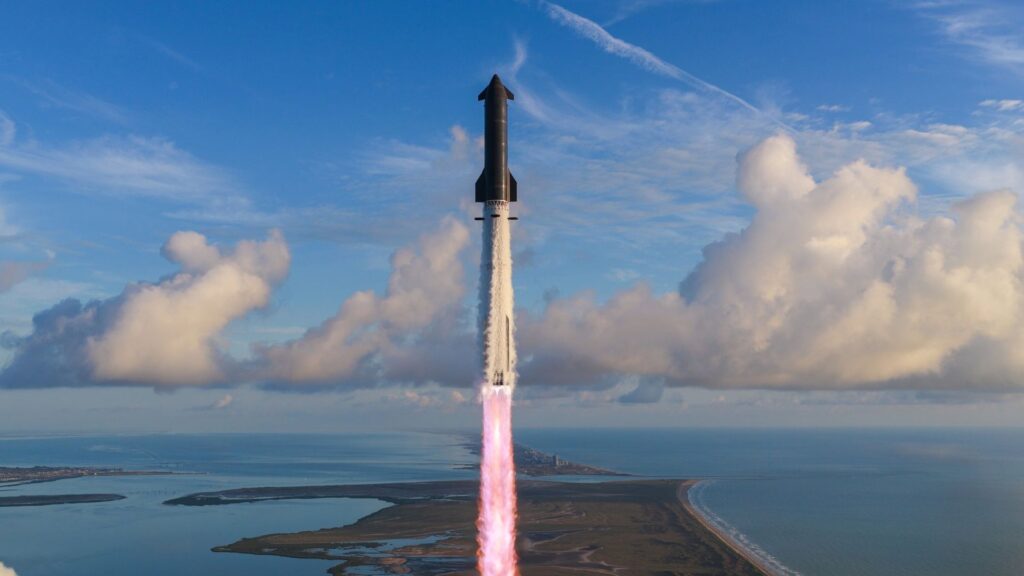
This move aligns China with ambitious projects already underway in the United States. Elon Musk’s SpaceX is reportedly planning to launch modified Starlink satellites as initial data centers, with even more ambitious lunar factory concepts. Houston-based Axiom Space launched its first hardware last year, and Google is also exploring the concept. The driving logic is universal: space offers abundant solar energy and vast, unregulated “real estate,” free from the fierce competition for power and land that is slowing AI expansion on Earth.
The innovator and engineer behind China’s push is clearly the state itself, executed through its primary space contractor. CASC is the engineering powerhouse mandated to develop the required launch capacity, spacecraft, and in-orbit systems. While no individual researcher was named in the initial report, the directive comes from the highest levels of China’s integrated space-industrial planning, reflecting a top-down, national-scale approach to the new space economy.
WATCH ALSO: https://modernmechanics24.com/post/china-humanoid-robot-combat-moves/
The summary of its value is geopolitical and technological. Establishing a presence in orbital data infrastructure is about future-proofing national computing needs, ensuring strategic autonomy, and securing a lead in the next logical layer of global digital infrastructure. It transforms space from a realm of exploration into one of critical utility.
However, the path to operational space-based data centers is fraught with significant limitations. The technical hurdles of building, maintaining, and repairing complex server hardware in the harsh radiation environment of space are immense. Furthermore, as highlighted in a recent World Economic Forum panel in Davos featuring ESA Director General Josef Aschbacher, security for such frontier technology often lags behind its development, raising major questions about data sovereignty and cybersecurity for orbital servers. The issue of space debris monitoring, also mentioned in CASC’s five-year plan, becomes even more critical with hundreds of fragile, high-value data center modules in orbit.
READ ALSO: https://modernmechanics24.com/post/scientists-reveal-molecular-spider-silk/
The race is officially on. By formally incorporating space-based data centers into its five-year plan, China is not merely experimenting with a concept; it is declaring a long-term strategic intention to build essential infrastructure beyond Earth’s atmosphere. This sets the stage for a new dimension of tech competition, where computing supremacy may one day be measured not just in flops, but in orbits.