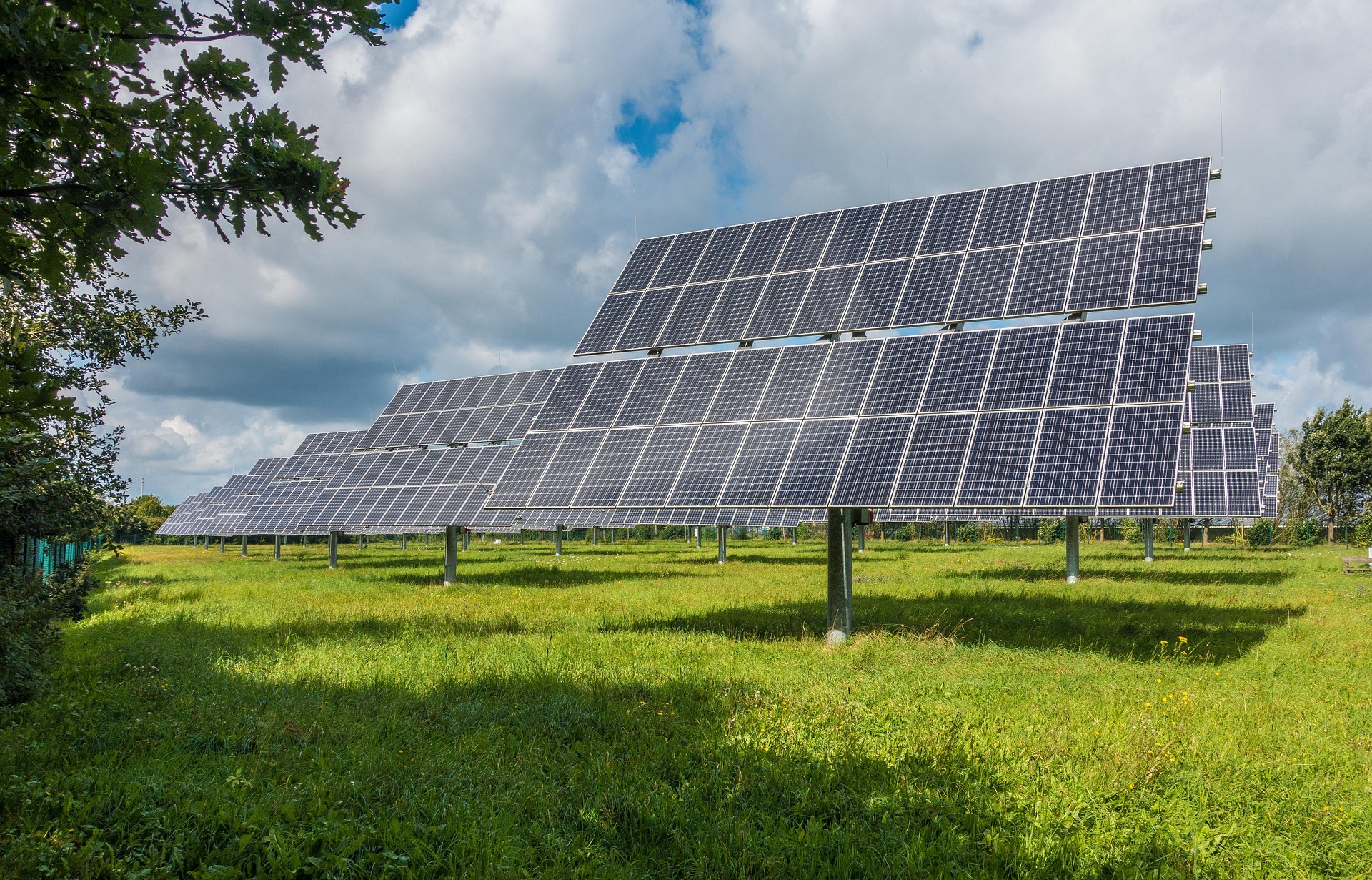
UNSW Sydney engineers have developed a novel microscopy method that reveals, for the first time, how high-efficiency silicon solar cells are damaged by ultraviolet light and then naturally repair themselves using sunlight. The breakthrough monitoring technique could transform panel testing and design, tackling a performance loss that can reach up to 10%.
For years, the photovoltaic industry has observed a puzzling phenomenon: solar cells lose efficiency under harsh UV light but seem to recover some of it when basking in ordinary sunlight. The “why” and “how” remained a material-level mystery—until now. A team led by Scientia Professor Xiaojing Hao at UNSW Sydney has cracked the case, publishing their findings in Energy & Environmental Science.
The core of the innovation is a non-destructive monitoring technique that lets scientists watch a solar cell’s internal chemistry in real-time while it operates. “Normally we can only measure the power output,” said Dr. Ziheng Liu, a key researcher on the project. “That has been observed already by many people, but with this new method we are also explaining the mechanism and we can see the change at a material level.” They used ultraviolet Raman spectroscopy, a method that shines a laser on the cell and analyzes scattered light to reveal molecular vibrations, according to the UNSW team.
READ ALSO: https://modernmechanics24.com/post/china-first-in-orbit-metal-3d-printing/
This allowed them to observe chemical bonds near the cell’s surface during both UV damage and visible-light recovery, all without ever cutting the cell apart. At the microscopic level, UV radiation was seen rearranging bonds involving hydrogen, silicon, and boron atoms, weakening the surface and sapping performance. Crucially, when switched to normal light, the process reversed. “The material itself is repairing at the atomic level,” Dr. Liu confirmed, as hydrogen atoms migrated back and broken bonds healed.
This discovery has profound implications for how solar panels are certified for a 25-year lifespan. Current accelerated ageing tests bombard cells with intense UV to simulate decades of sun exposure in weeks. However, if a cell can self-repair under real-world conditions, these tests might overestimate permanent damage. “This approach helps distinguish between true long-term degradation and reversible changes,” Dr. Liu explained. “That distinction is essential for accurate lifetime prediction.”
WATCH ALSO: https://modernmechanics24.com/post/boston-dynamics-atlas-balance-agility/
The practical benefits are significant, reported UNSW. The new method can detect UV sensitivity in seconds, compared to traditional destructive tests that take days. This speed makes it a potential game-changer for manufacturing quality control and research. “This new method can be used directly on the production line to quickly check how well solar cells resist UV damage,” stated Professor Hao. It enables engineers to see why some cell designs degrade more than others, guiding better trade-offs between cost, peak efficiency, and durability.
Ultimately, this isn’t just about understanding a repair mechanism—it’s about building better, more reliable solar energy systems. By revealing the atomic dance of damage and recovery, UNSW researchers have provided a powerful new tool to ensure the solar panels of tomorrow are more resilient and accurately rated, harnessing the sun’s power more effectively for decades.
READ ALSO: https://modernmechanics24.com/post/massrobotics-5th-health-robotics-cohort/