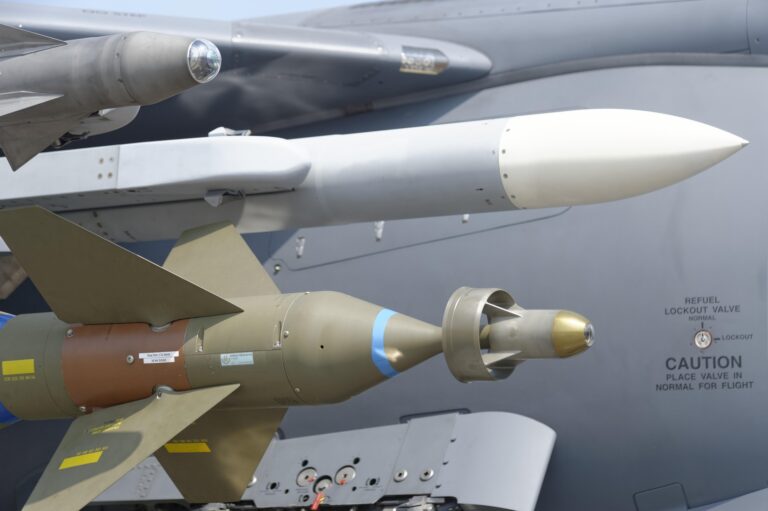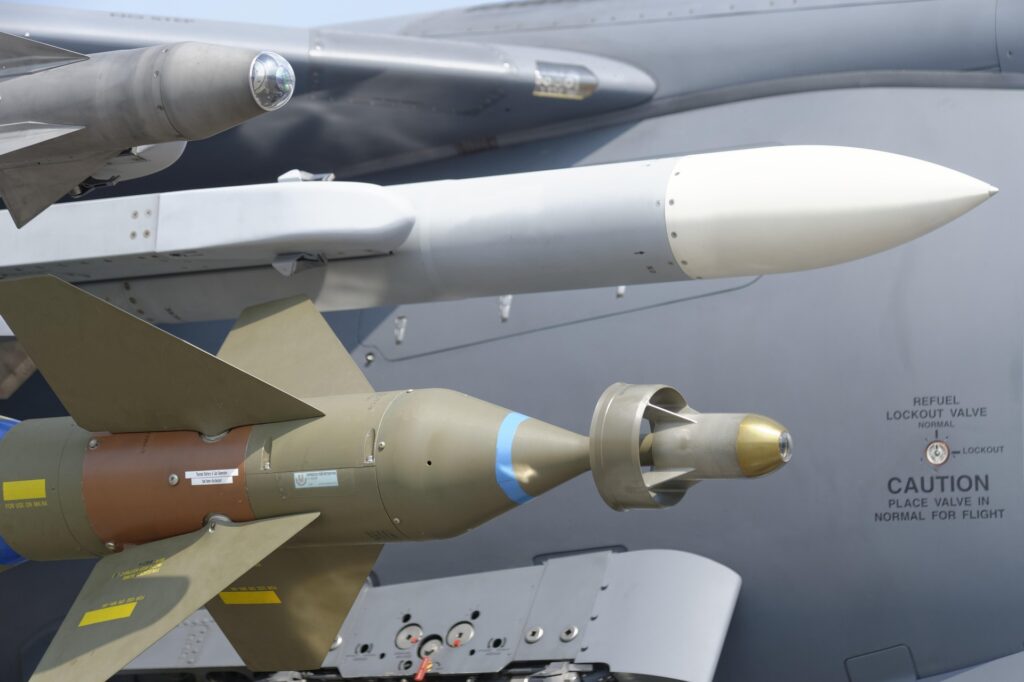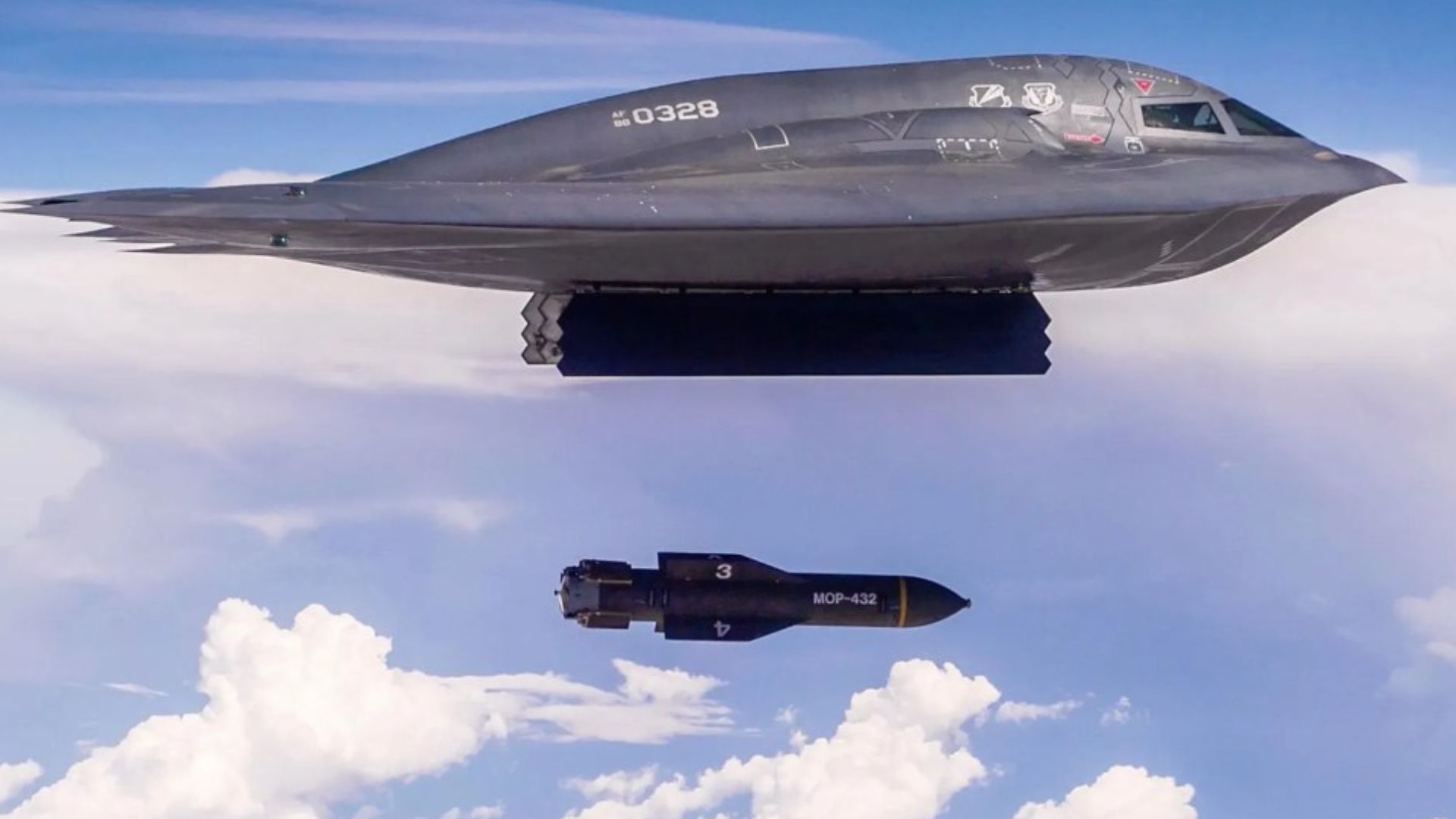
US reverse-engineered a critical component of its most powerful conventional bunker-buster bomb, the GBU-57/B Massive Ordnance Penetrator (MOP).
Engineers replicated the subcomponent of the 30,000-pound bomb using existing Army Tactical Missile System(ATACMS) ballistic missile technology. It eliminates the need for four years of additional design work.
The US Air Force contract, awarded in August 2025, saved years of development time, addressed concerns about obsolescence, and intensified debate over vendor lock-in in US defense procurement.
“The Government successfully reverse engineered a critical subcomponent of the MOP weapon system,” the document states. “This effort saved four years of design work and enabled the utilization of existing Army ATACMS technology to eliminate obsolescence issues and meet operational demands.”
READ ALSO: https://modernmechanics24.com/post/robotics-firms-build-like-robot-hands/
The revelation came as the Air Force moved to replenish stocks of the GBU-57/B following its operational use during Operation Midnight Hammer. During that mission, B-2 Spirit stealth bombers dropped 14 MOPs on Iranian nuclear facilities.
The Air Force Life Cycle Management Center (AFLCMC) issued a Justification and Approval (J&A) document explaining why it awarded a sole-source contract to Boeing to continue producing and sustaining the weapon. Boeing serves as the prime contractor for the MOP program.
“The Government has a follow-on need for additional production of MOP Tail Kits with projected delivery starting 10 January 2028 to replace expended units and reach United States Air Force requirements,” the document explains. “The Government has a need for replenishment production of GBU-57 MOP weapon system components.”
The exact size of the inventory remains classified. Earlier reports stated that Boeing had delivered at least 20 units by 2015, with additional production orders placed over the years. In 2024, reports also stated that production facilities in Oklahoma were being expanded to significantly increase annual output.
Why the Tail Kit Matters
The bomb’s tail kit, designated KMU-612/B, is the center element. The tail kit holds the GPS-assisted inertial navigation system (INS), guidance electronics, and control surfaces that steer the weapon toward its target with high precision.
The complete GBU-57/B configuration combines this tail kit with a hardened penetrating warhead and specialized fuzes designed to detonate deep underground after impact. The weapon was specifically designed to destroy heavily fortified, deeply buried facilities.
WATCH ALSO: https://modernmechanics24.com/post/humanoid-robots-engage-chat-unscripted/
The J&A document clarifies that although one critical subcomponent was reverse engineered, replicating the entire tail kit independently would cause unacceptable delays.
“Time to reverse engineer all MOP components would result in unacceptable delays in meeting mission requirements,” officials state.
The Air Force estimates that developing and certifying a fully new tail kit design would take approximately 60 months.
The document sheds light on a broader issue in US defense contracting: the control of intellectual property (IP) and vendor dependency.
It explains that the original equipment manufacturer retains ownership of the technical data package and manufacturing processes associated with the tail kit. The US government does not own or control key software, methodologies, or technical drawings.
“The OEM retains ownership of the intellectual property data associated with the munition’s tail kit,” the document notes. “The USG does not own or control any computer software, methodologies, or technical drawings.”
In August 2025, the government asked the contractor about purchasing IP rights for the MOP weapon system. The request was denied.
However, the government has managed to break away from sole-source control in certain areas. The document explains that officials separated warhead case production from Boeing under a Weapon Design Agent effort, gaining full IP control over that portion of the technical data package. As a result, contracts for the warhead component are now awarded competitively.
READ ALSO: https://modernmechanics24.com/post/rare-earths-redrawing-global-power-map/
The GBU-57/B remains the only conventional weapon in the US arsenal capable of striking certain deeply buried targets. Its relevance has grown amid renewed concerns over fortified facilities in countries such as Iran, North Korea, and China.
Iran has invested heavily in underground nuclear infrastructure. Analysts say the MOP was originally designed with such hardened targets in mind.
The weapon is classified as high-value and low-density. At present, only B-2 bombers can deploy it operationally, with each aircraft carrying two bombs. The upcoming B-21 Raider stealth bomber is expected to carry one MOP. It can ensure the bomb’s long-range strike capabilities.
ATACMS Technology Repurposed
The reverse engineering effort relied on technology derived from the Army Tactical Missile System, a short-range ballistic missile platform. Lockheed Martin serves as the prime contractor for ATACMS.
Reverse engineering military components is not unusual, especially when suppliers discontinue production or technologies become obsolete. By adapting proven missile technology, engineers avoided having to restart development from scratch.
However, officials caution that replicating the entire system without OEM involvement would slow operational readiness.
The MOP case highlights growing concerns within the Pentagon about vendor lock. It is a situation in which a single contractor controls critical intellectual property and sustainment pipelines.
The F-35 Joint Strike Fighter program is often the most visible example. Lockheed Martin’s control over certain aspects of the F-35 has sparked debate about maintenance bottlenecks, spare part shortages, and operational risks.
Defense leaders have demanded reforms.
WATCH ALSO: https://modernmechanics24.com/post/china-military-modern-exercise/
“We will enable third-party integration without prime contractor bottlenecks,” War Secretary Pete Hegseth said in a speech last November. “Success will be measured by the ability of qualified vendors to independently develop, test and integrate replacement modules at the component level throughout the system life cycle. There’s no more complacency and no more monopolies.”
Successive administrations have pushed for stronger government IP rights and competitive contracting in future weapons programs. The Air Force has emphasized that avoiding vendor lock remains a priority in next-generation fighter development and other major acquisitions.
The Pentagon is also developing a successor to the MOP known as the Next Generation Penetrator (NGP). Boeing is also participating in that effort.
IP ownership and the MOP program’s supply chain flexibility are likely to shape how the NGP is acquired.
For now, the government continues working to reduce dependency within the MOP program by repurposing existing technologies such as ATACMS components.